Welcome to Adorable Living Spaces and our Deal of the Day series, where we search Zillow every single day to uncover affordable cabins, hunting properties, rural retreats, homesteads, and hidden acreage opportunities across America.
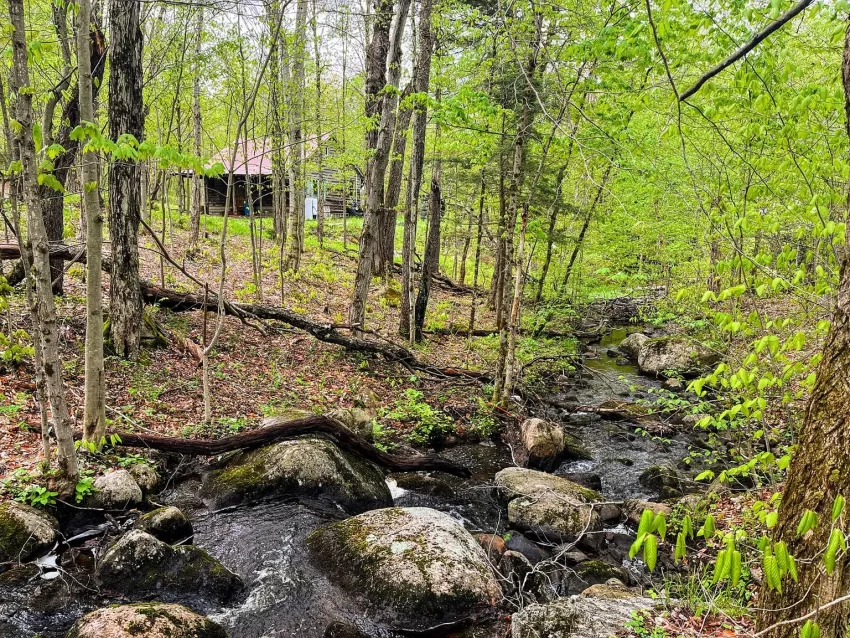
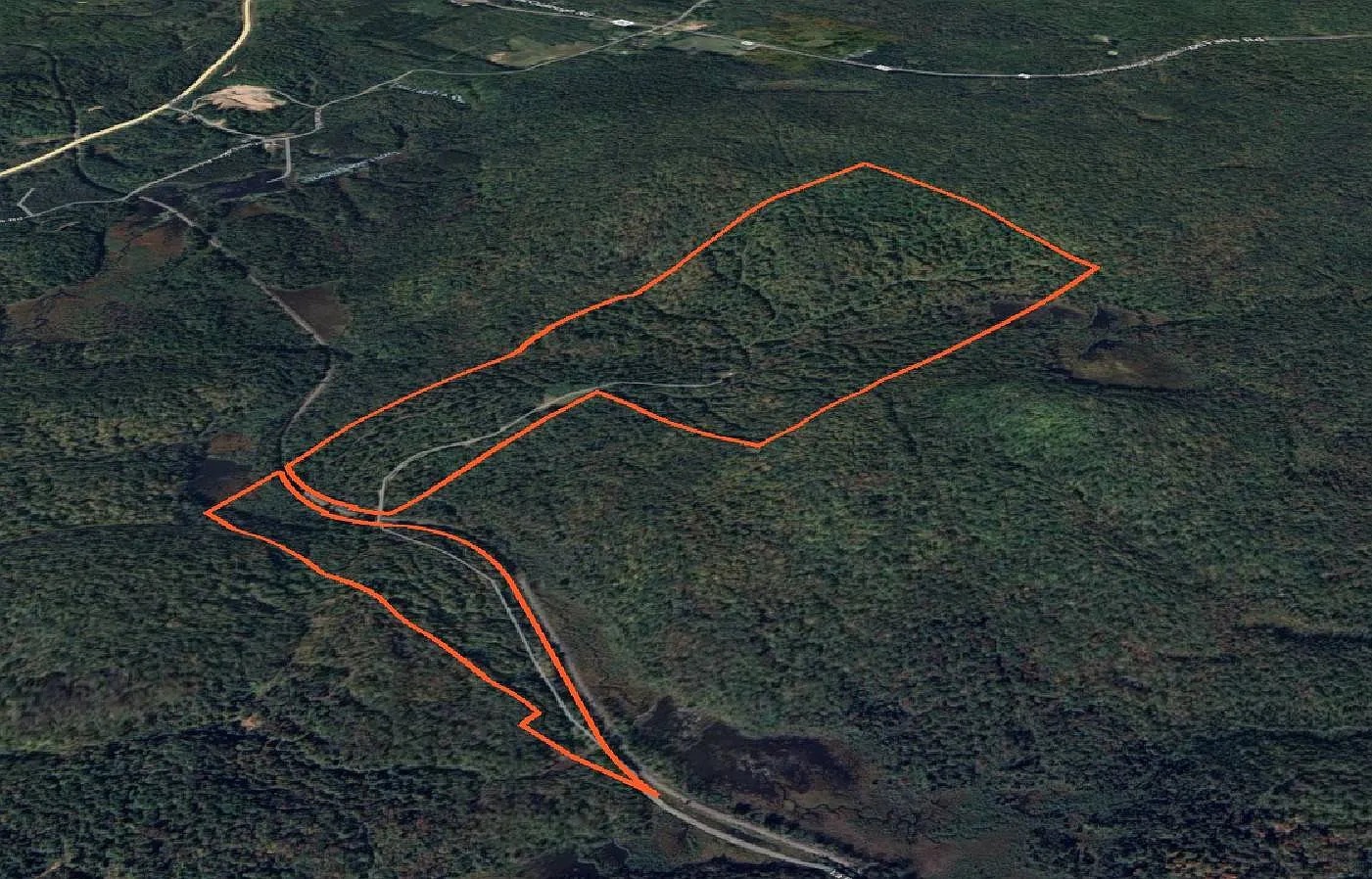
Today’s featured property takes us to Star Lake, New York, where approximately 133.6 acres of entirely wooded Adirondack land come with a traditional backwoods hunting cabin, a private stream, a small beaver pond, rock outcrops, and an extensive trail network.
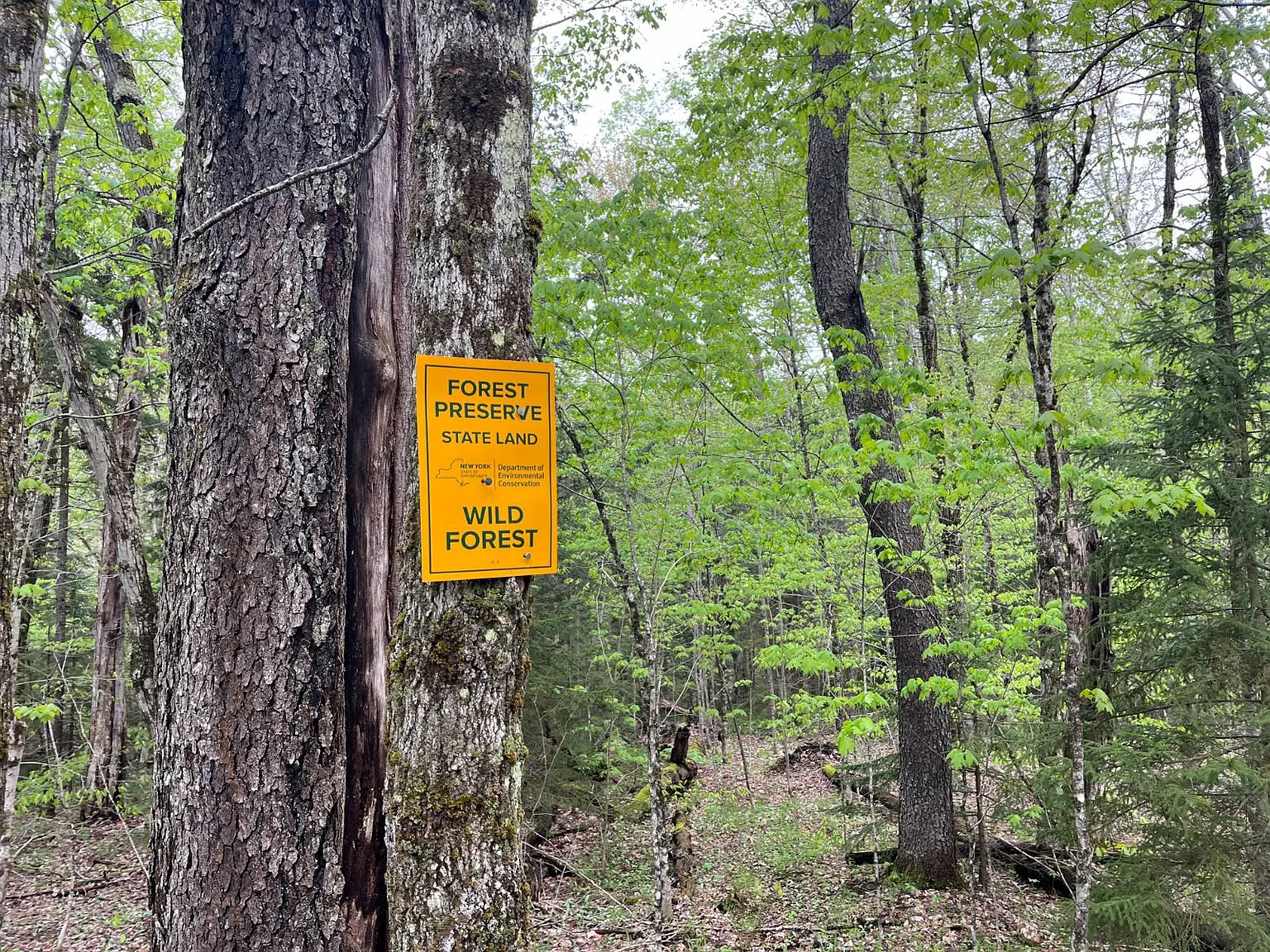
The property is extremely remote and directly borders the Aldrich Pond Wild Forest, creating a genuine wilderness setting for hunting, hiking, wildlife observation, ATV riding, snowmobiling, and peaceful escapes far from developed areas.
Priced at $159,900, this large Northern New York property may appeal to hunters, outdoor enthusiasts, recreational land buyers, conservation-minded owners, and anyone searching for a private Adirondack retreat with an existing rustic camp.
| Property Details | |
|---|---|
| Price | $159,900 |
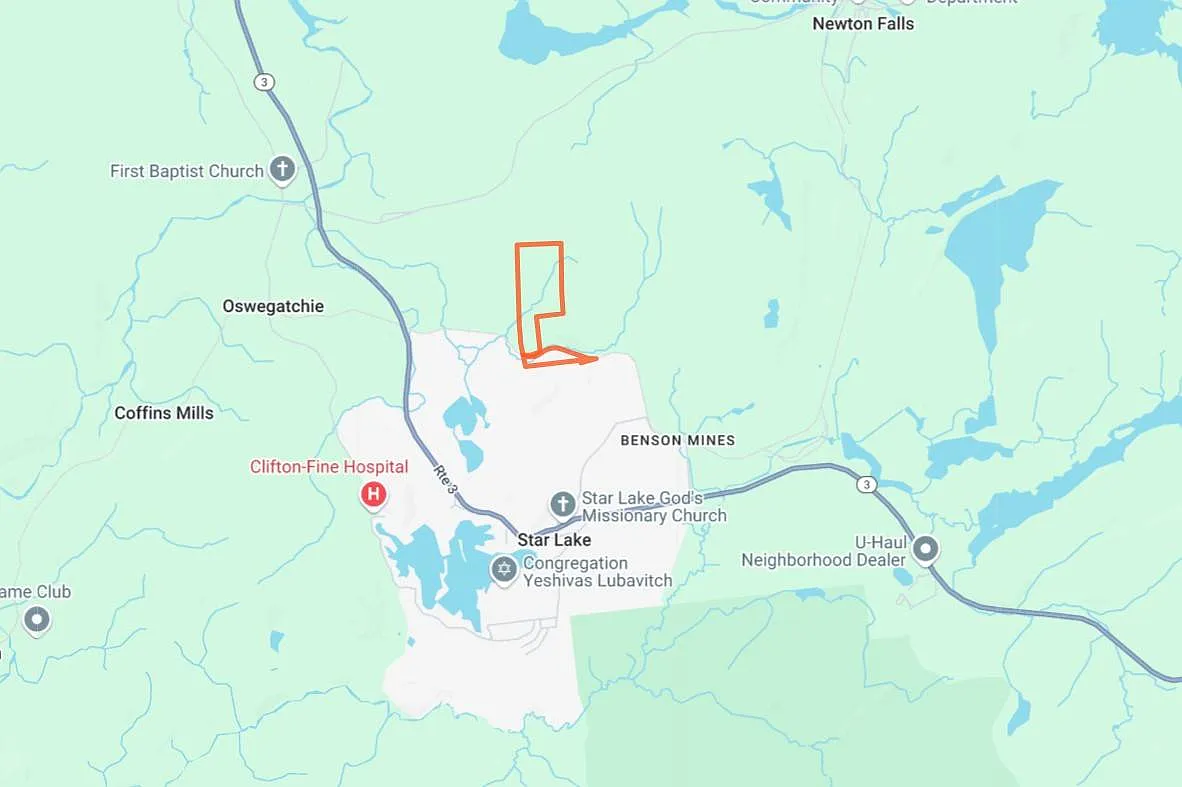
| Location | Laplante Rd, Star Lake, NY 13690 |
| Property Type | Unimproved Recreational Land |
| Lot Size | Approximately 133.6 Acres |
| Bedrooms | No Formal Bedrooms Listed |
| Bathrooms | No Bathroom Listed |
| Existing Structure | Traditional Adirondack Hunting Camp |
| Land Cover | Entirely Wooded |
| Road Access | Private Gravel Road |
| Private Road Length | More Than 4,000 Feet |
| Water Features | Woodland Stream and Small Beaver Pond |
| Water Views | Creek, Pond and Stream Views |
| Additional Features | Trail Network and Rock Outcrops |
| State-Land Border | Aldrich Pond Wild Forest |
| Wildlife | Deer, Bear, Moose, Turkey and Small Game |
| Cabin Features | Open Floor Plan, Kitchen Area, Wood Stove, Bunks and Screened Porch |
| Nearest Town | Star Lake, Approximately 10 Minutes Away |
| HOA | None |
More Than 133 Acres
The property includes approximately 133.6 acres of private Adirondack land.
This is a substantial recreational parcel with enough space for hunting, hiking, trail riding, wildlife management, camping, forestry, and long-term land ownership.
Its size provides a level of privacy and exploration potential that is difficult to achieve on smaller rural properties.
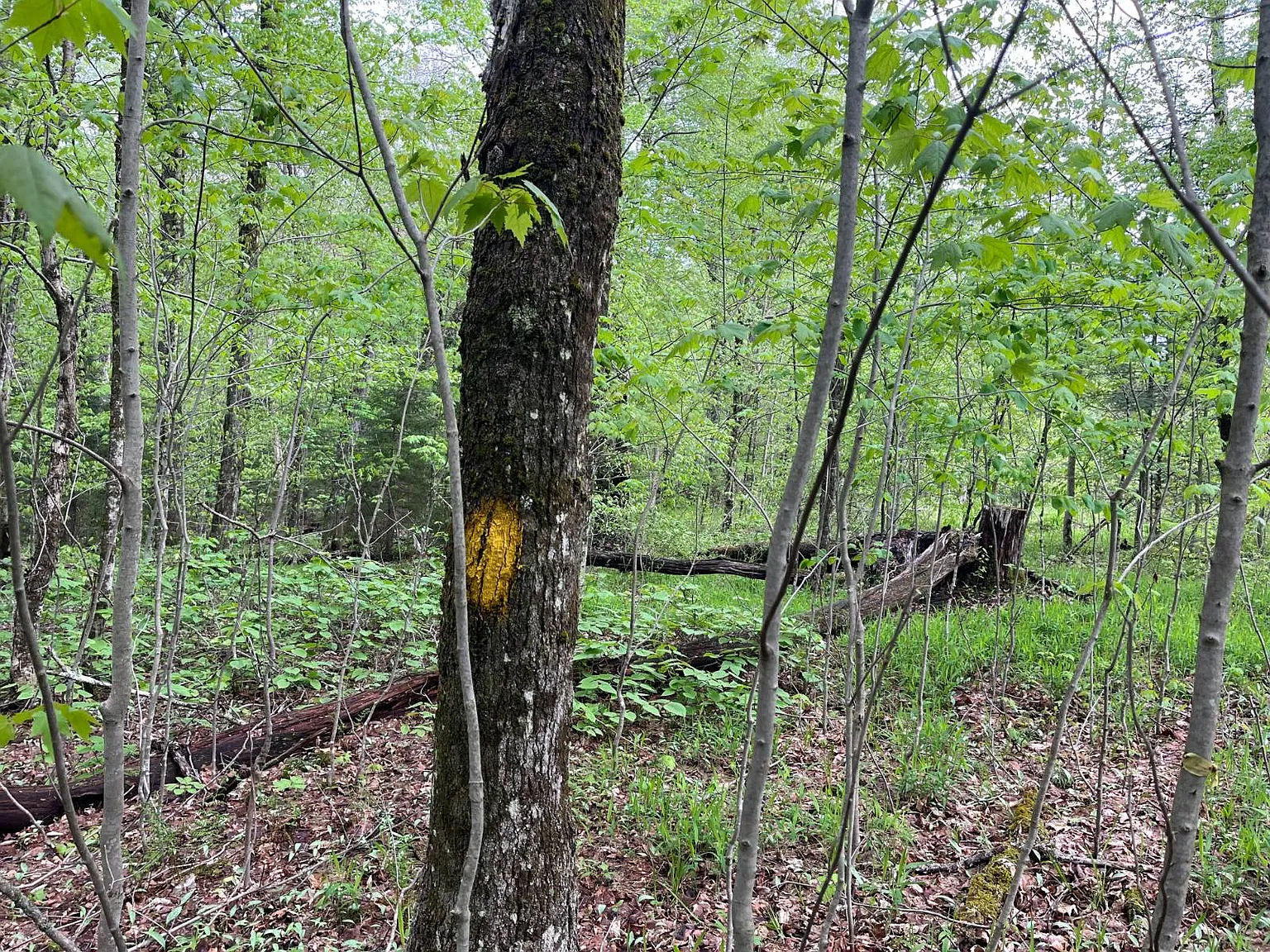
A professional survey should confirm boundaries, acreage, road rights, state-land borders, easements, and the location of the cabin.
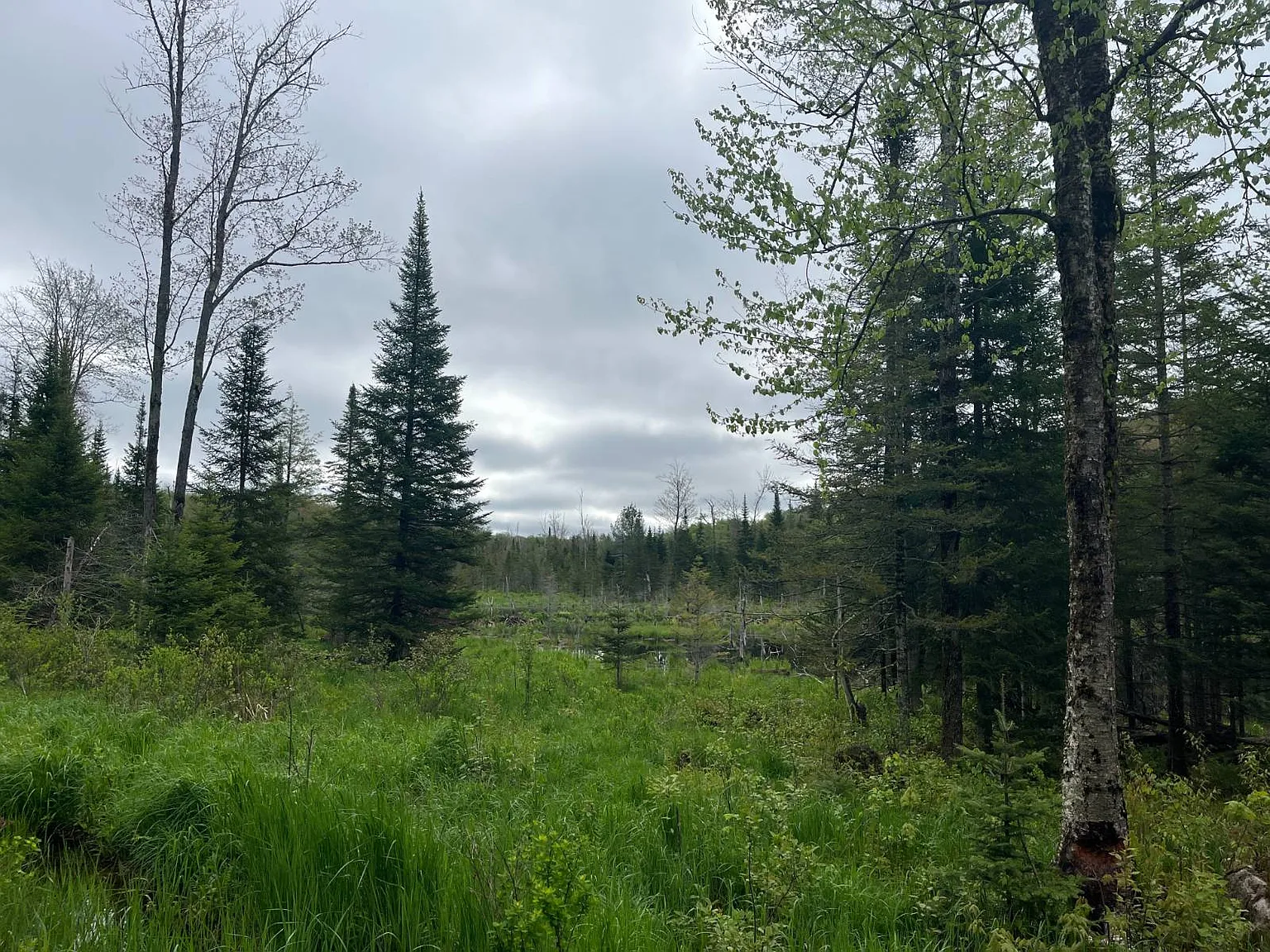
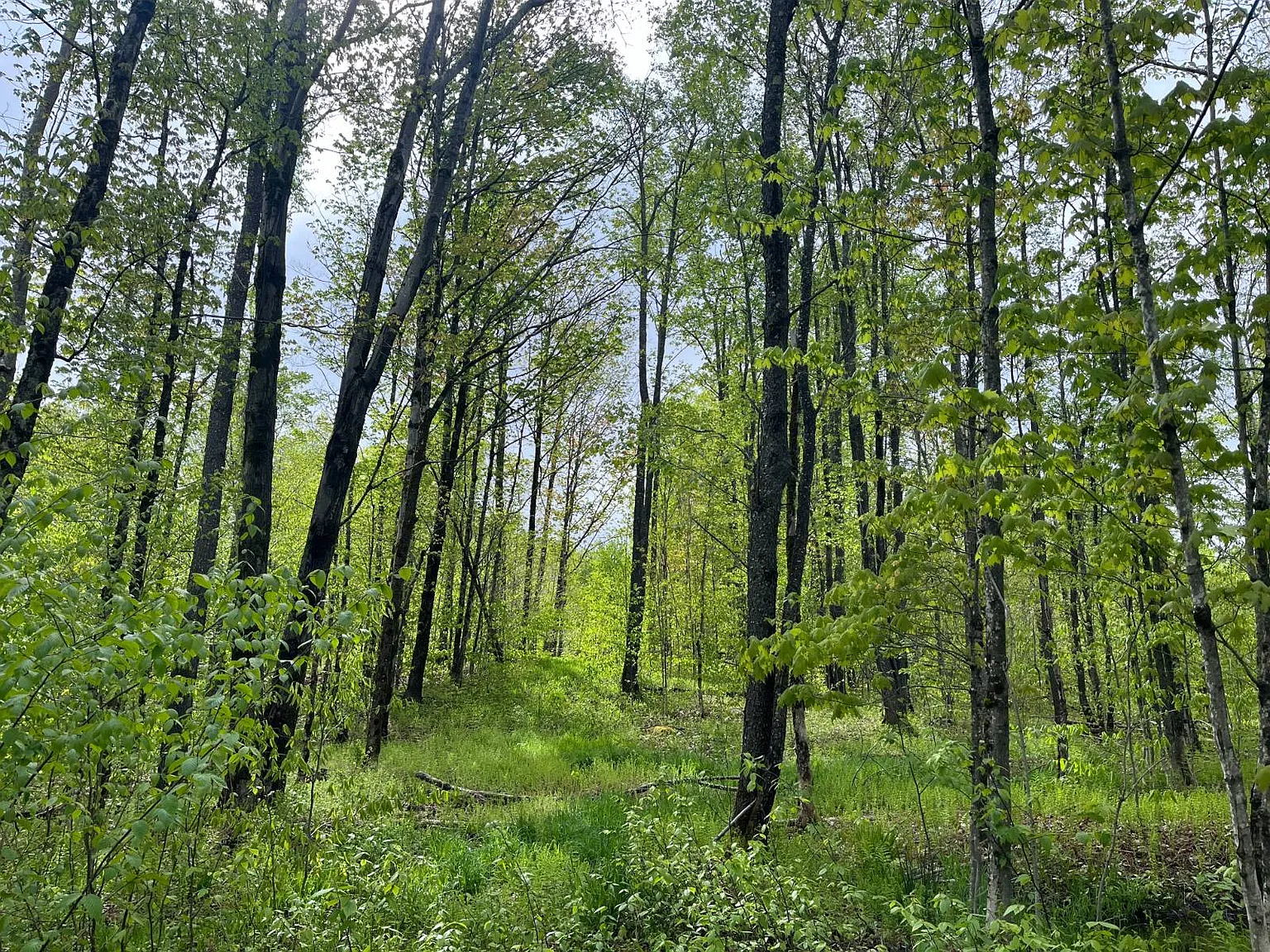
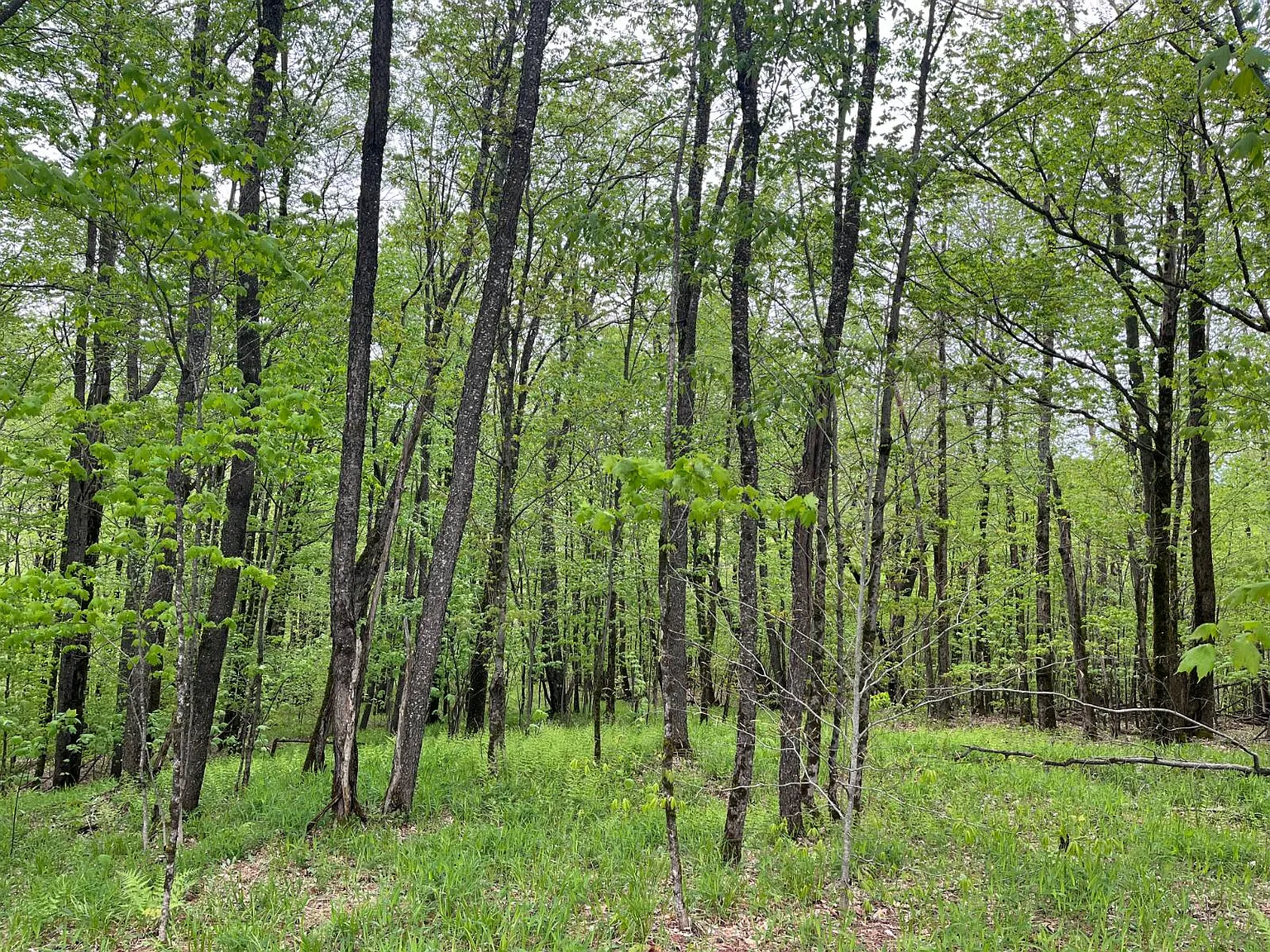
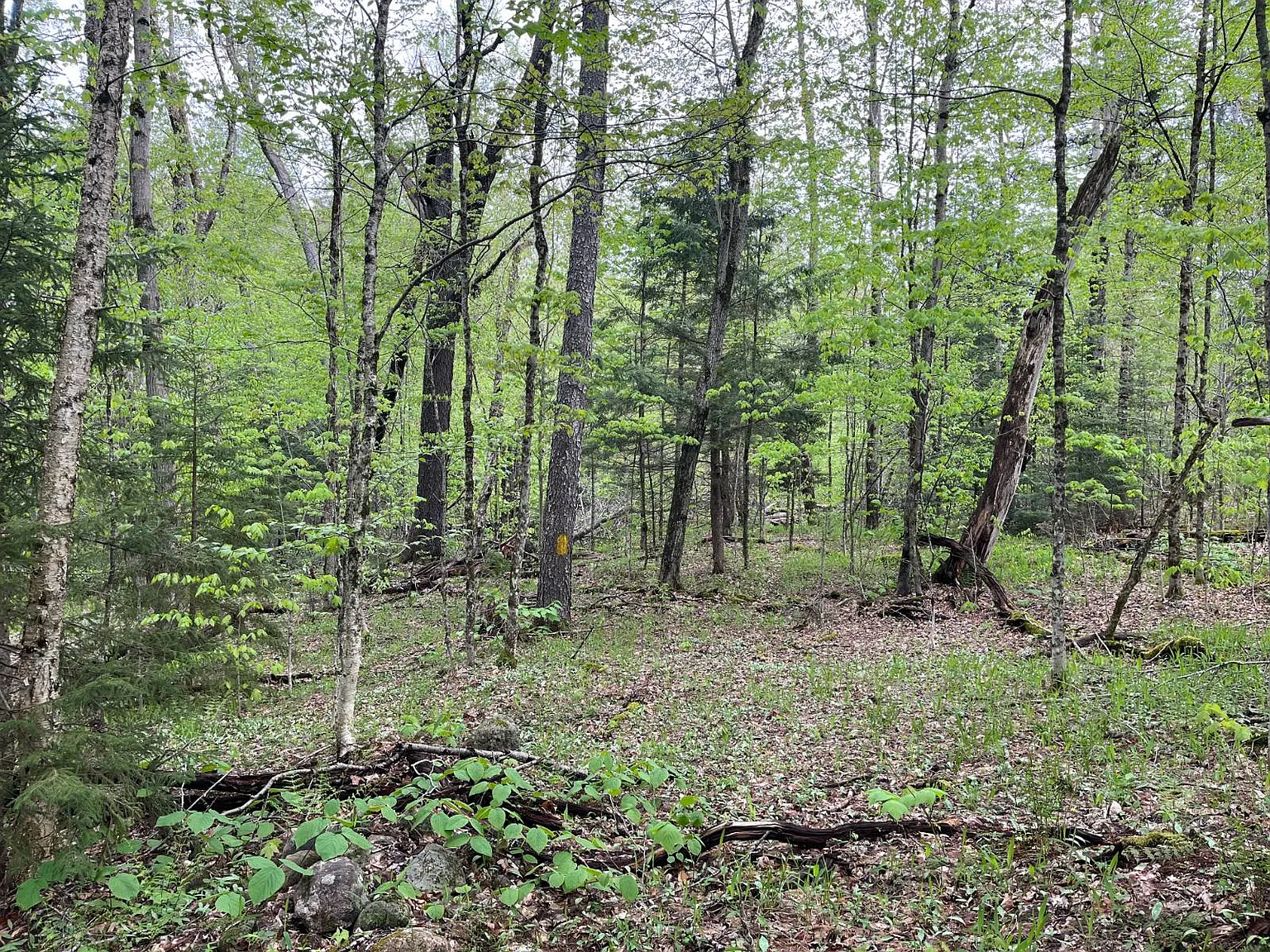
Entirely Wooded Property
The land is described as entirely wooded.
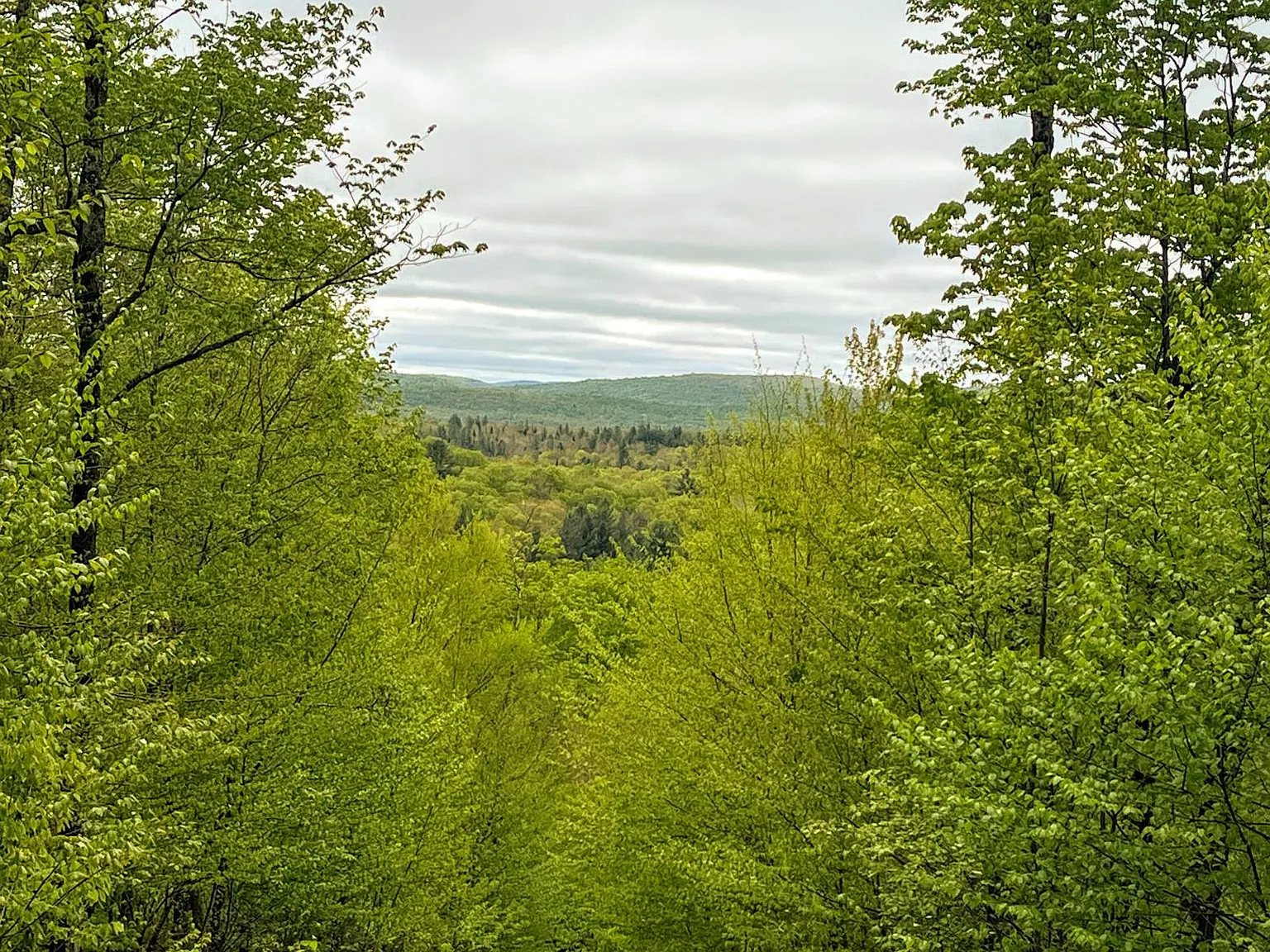
A hardwood forest covers the property and creates habitat, shade, privacy, potential timber value, and scenic seasonal changes.
The wooded character may appeal to hunters, hikers, naturalists, and buyers seeking an undeveloped wilderness setting.
Buyers should evaluate tree species, forest health, timber rights, storm damage, access, slopes, wetlands, and management needs.
Adirondack Wilderness Setting
The property sits in a remote Adirondack environment.
Its woods, streams, pond, rocks, wildlife, and distance from developed areas create an authentic backcountry atmosphere.
This setting may provide quiet, darkness, solitude, and a strong feeling of separation from everyday city life.
Remote ownership also requires careful planning for emergencies, communication, maintenance, weather, and access.
Traditional Hunting Camp
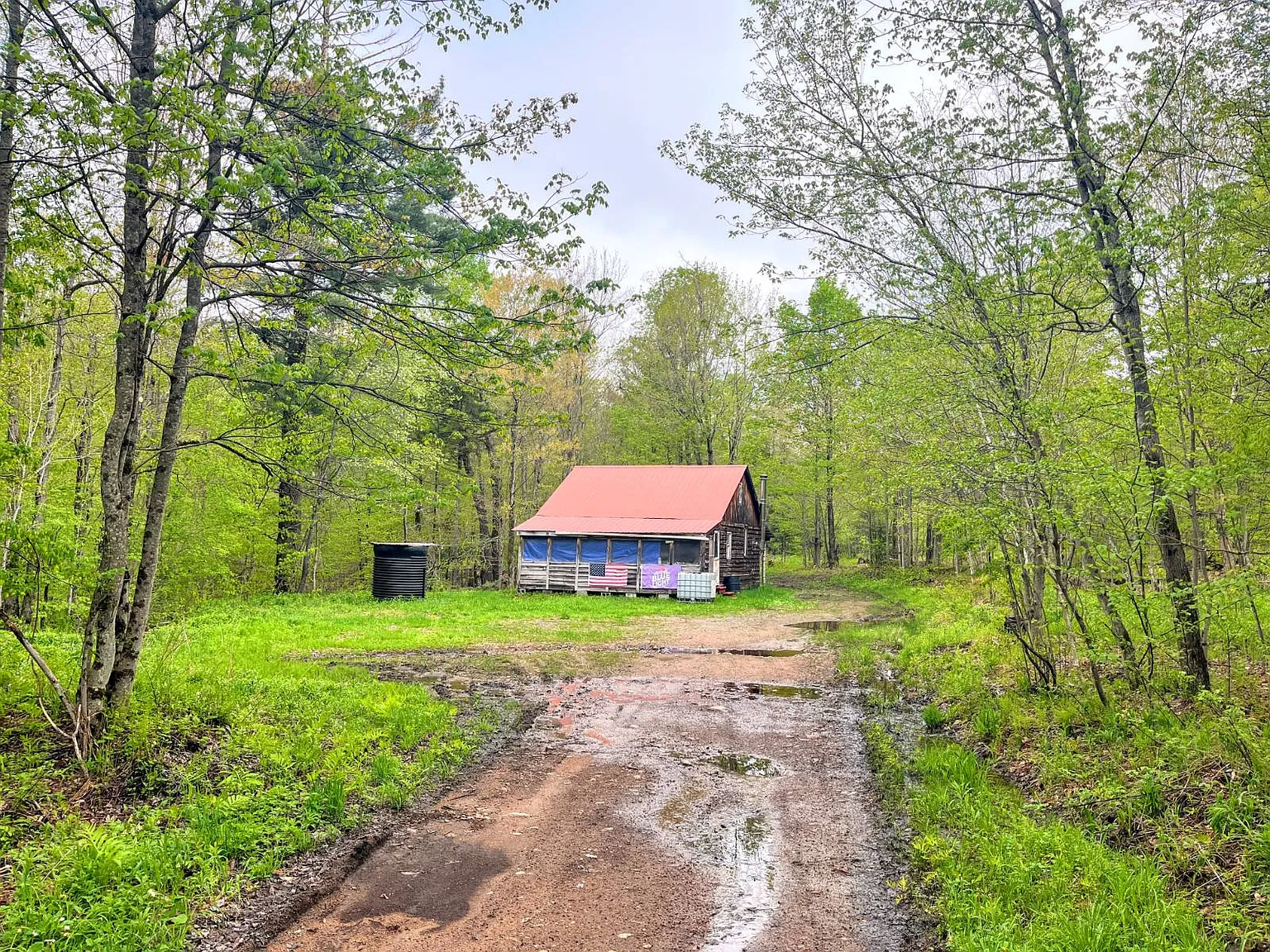
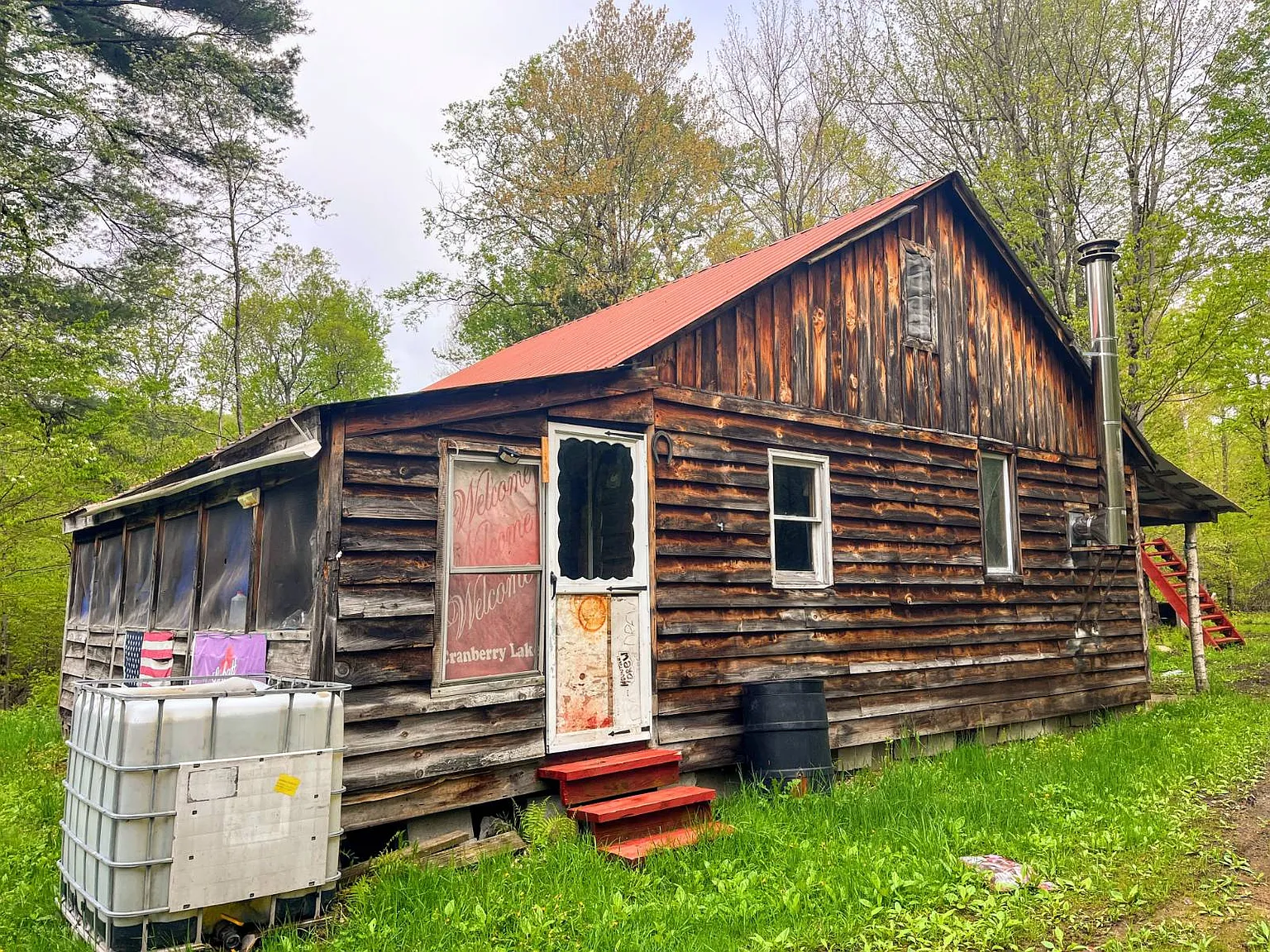
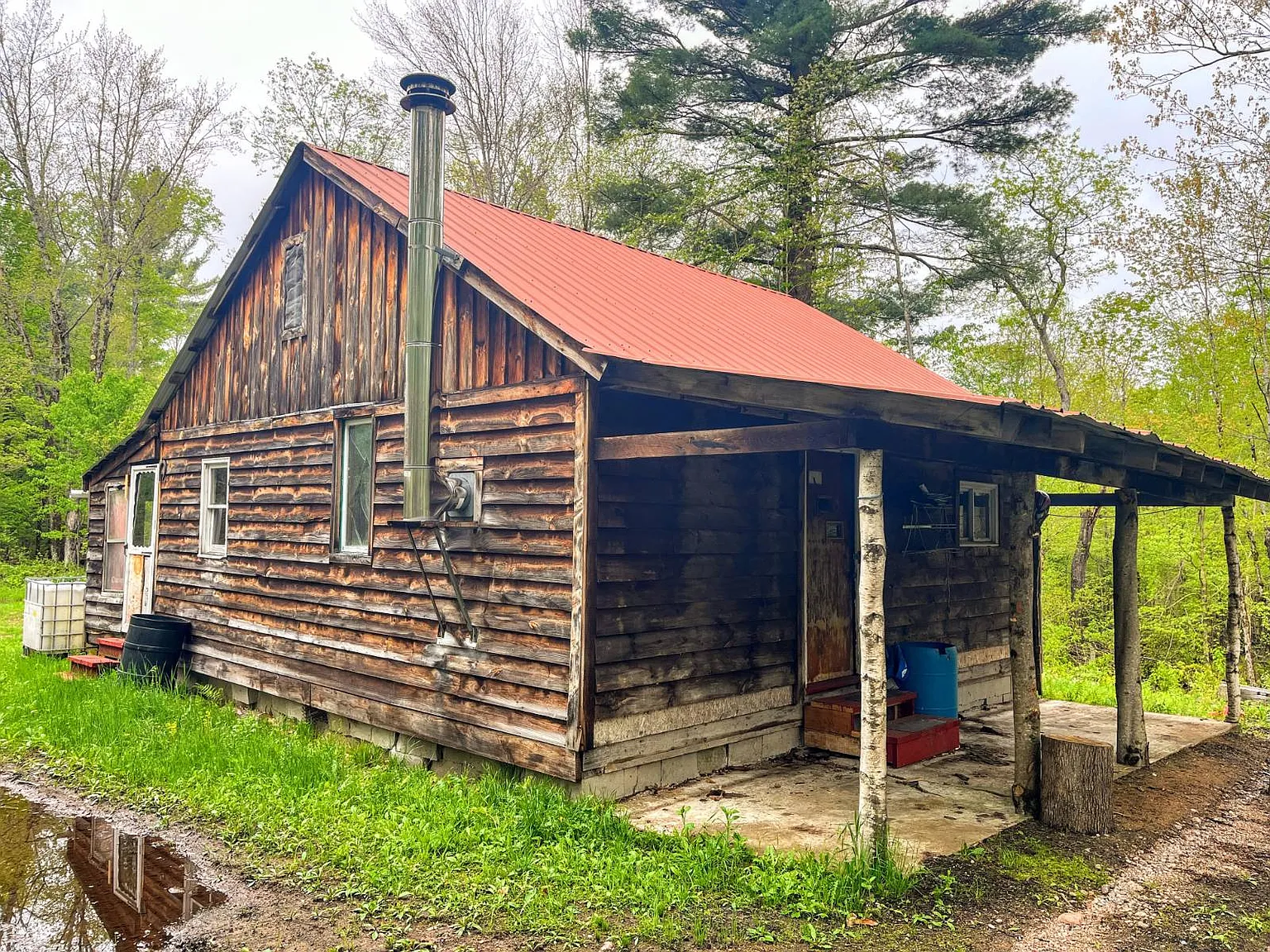
A rustic Adirondack hunting camp is included with the land.
The cabin reflects a regional tradition of simple backwoods camps passed from one generation of hunters and outdoor enthusiasts to another.
It provides shelter and a central base without changing the undeveloped character of the surrounding acreage.
Buyers should inspect the structure, roof, framing, floor, foundation, windows, doors, and overall safety before occupancy.
Remote Central Location
The cabin is positioned near the center of the parcel.
This location places it deep inside the property rather than close to the public road or neighboring land.
Its central setting may improve privacy, reduce outside disturbance, and create easier access to different parts of the acreage.
Owners should clearly mark and maintain the route between the property entrance and the camp.
Open Floor Plan
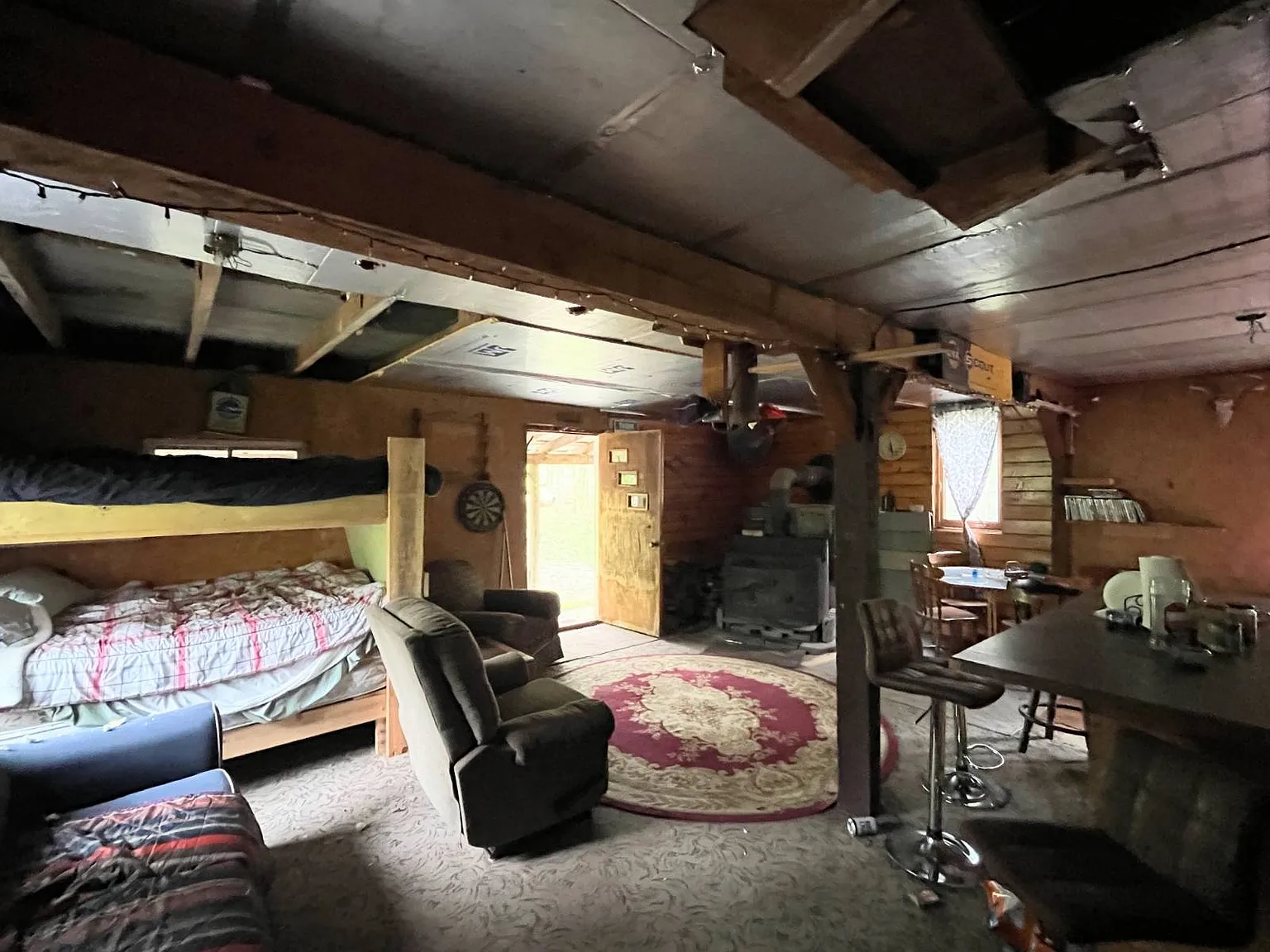
The hunting cabin has a simple open floor plan.
This traditional arrangement combines sleeping, cooking, heating, storage, and gathering functions within one main space.
An open interior is practical for a rustic camp because it is easier to heat and maintain than a house with many separate rooms.
Future improvements should preserve safe spacing around the stove and clear pathways to exits.
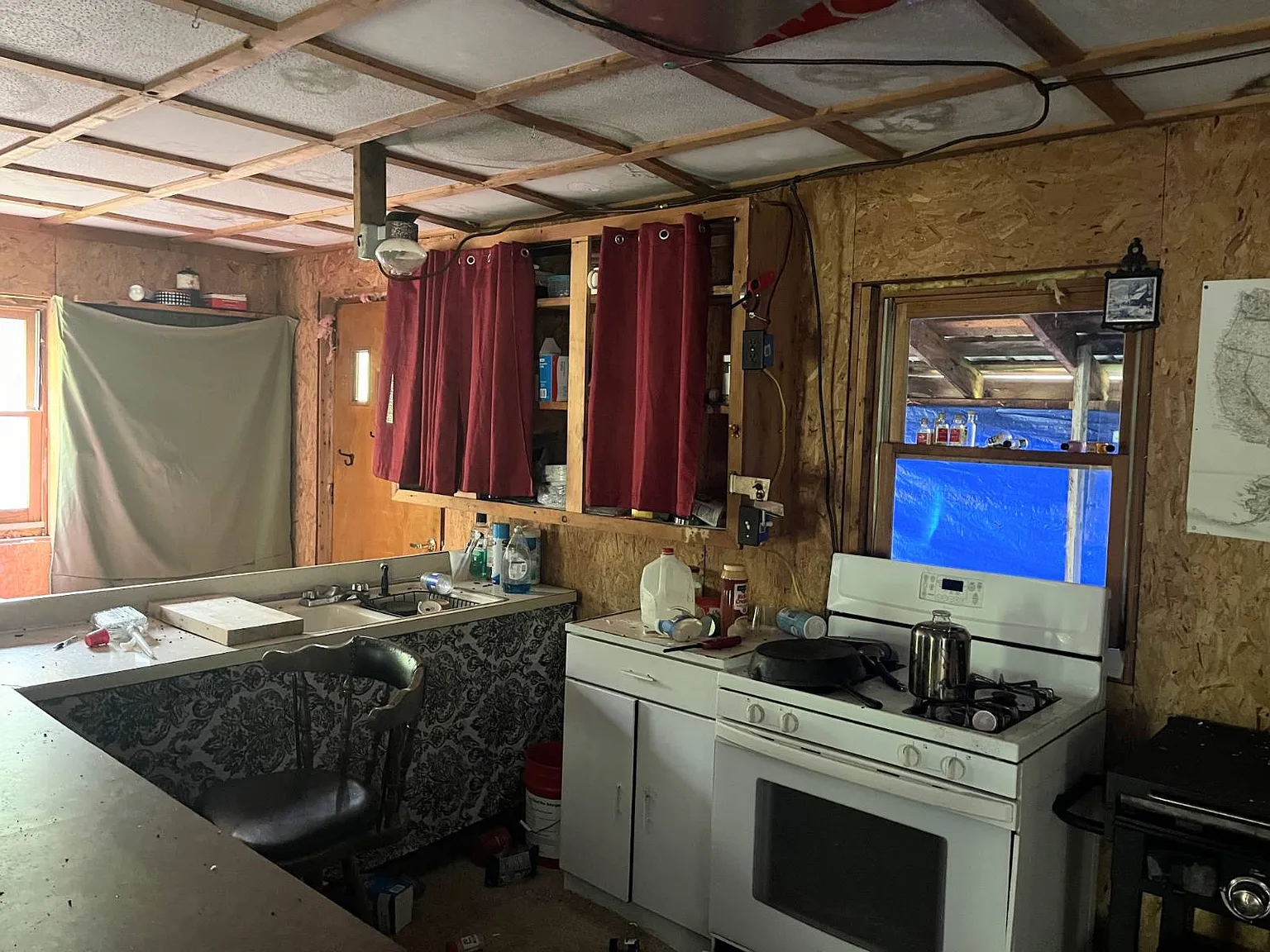
Basic Kitchen Area
The cabin includes a basic kitchen area.
This provides a place for preparing simple meals during hunting trips, weekends, or extended stays in the woods.
Its exact equipment, water supply, cabinetry, ventilation, and condition are not fully described.
Buyers should determine what appliances, fuel sources, storage systems, and food-preparation facilities are currently available.
Large Wood Stove
A large wood stove provides heat inside the camp.
Wood heat is well suited to a heavily forested property and can create a warm, traditional cabin atmosphere during colder seasons.
The stove may make autumn and winter visits more comfortable when properly installed and operated.
The chimney, flue, hearth, pipe, clearances, ventilation, and fire safety should be professionally inspected.
Sleeping Bunks
The cabin includes a couple of bunks.
These provide simple sleeping accommodations for hunting partners, family members, or guests.
Bunks maximize sleeping capacity without requiring enclosed bedrooms or a larger building footprint.
Owners may wish to add mattresses, storage, lighting, and improved insulation depending on the cabin’s condition.
Screened-In Front Porch
A screened front porch extends the usable space of the cabin.
This area may offer protection from insects while allowing owners to enjoy fresh air, forest sounds, and views of the surrounding woods.
It could become a peaceful place for meals, reading, gear storage, or relaxing after outdoor activities.
Screens, framing, decking, roof connections, doors, and supports should be inspected.
Stream beside the Camp
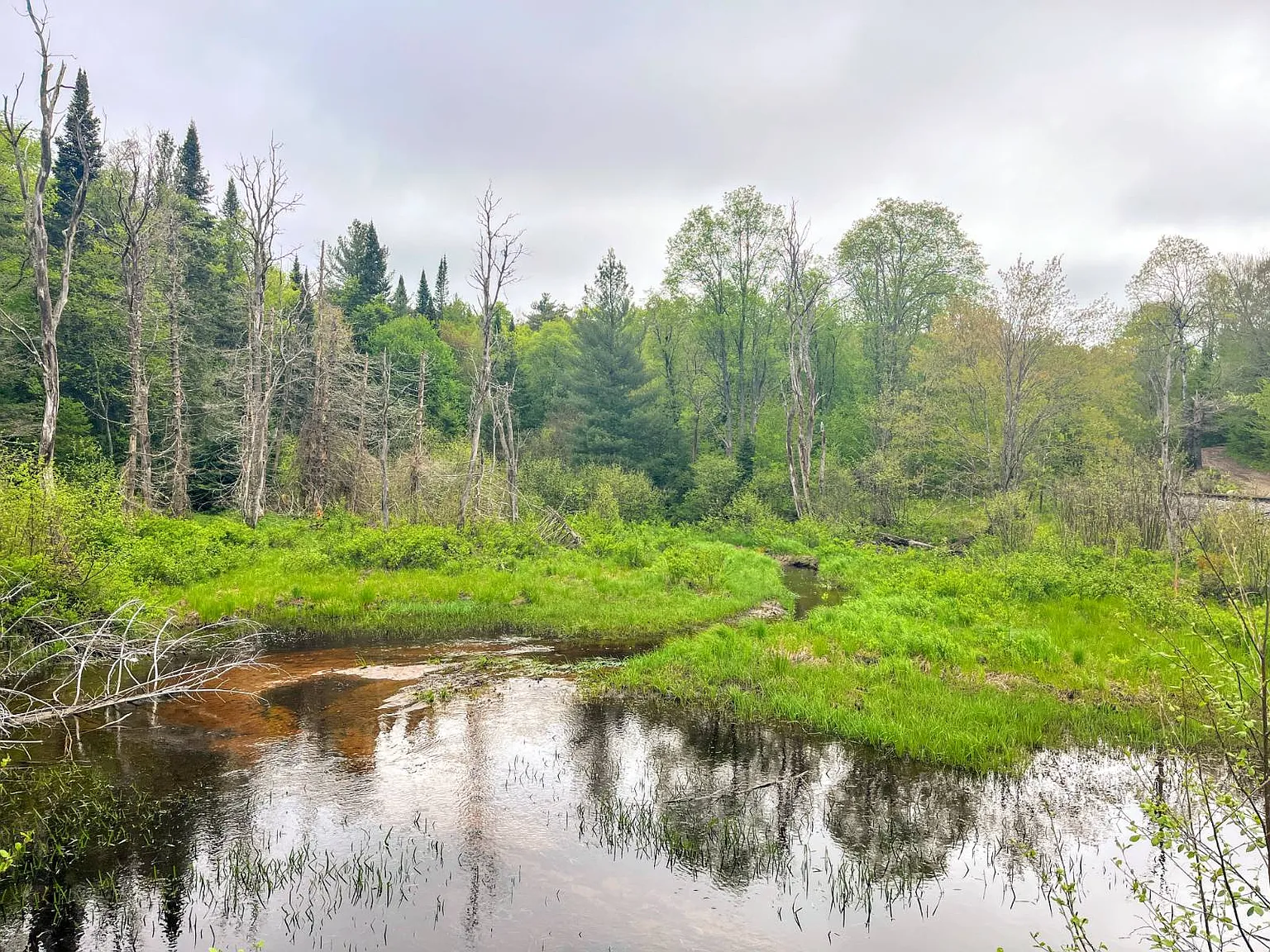
The cabin sits near a woodland stream or babbling brook.
The listing notes that the sound of flowing water can be heard from the camp as it passes nearby.
This creates an especially peaceful atmosphere and strengthens the cabin’s connection to the surrounding landscape.
Buyers should evaluate seasonal flow, bank stability, flood risk, erosion, water quality, and setback requirements.
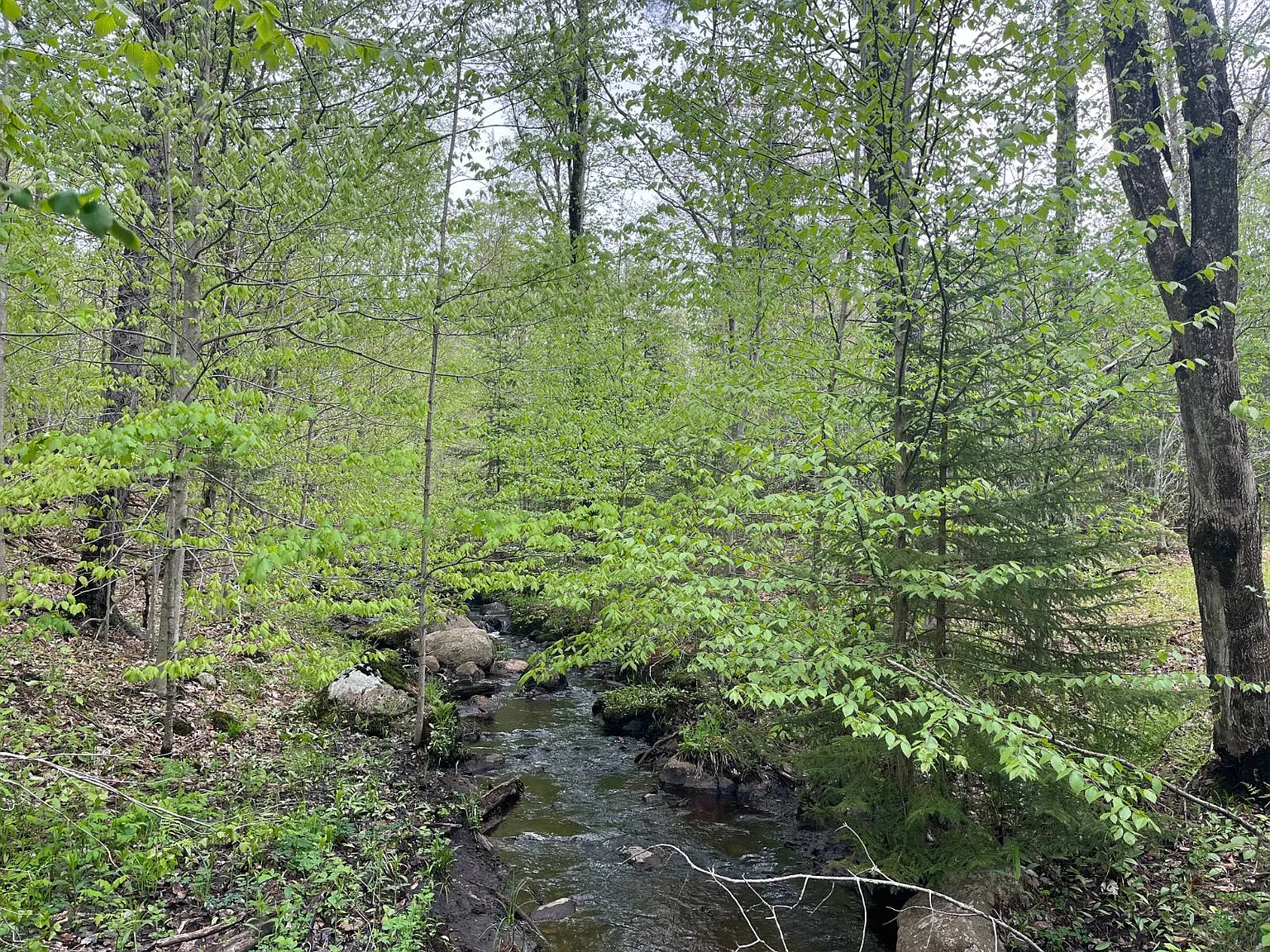
Charming Woodland Stream
A stream crosses or borders part of the property.
This water feature may provide scenic value, wildlife habitat, and natural variety within the forest.
Streams can also create attractive locations for walking trails, photography, relaxation, and nature observation.
No drinking-water use should be assumed without appropriate testing and treatment.
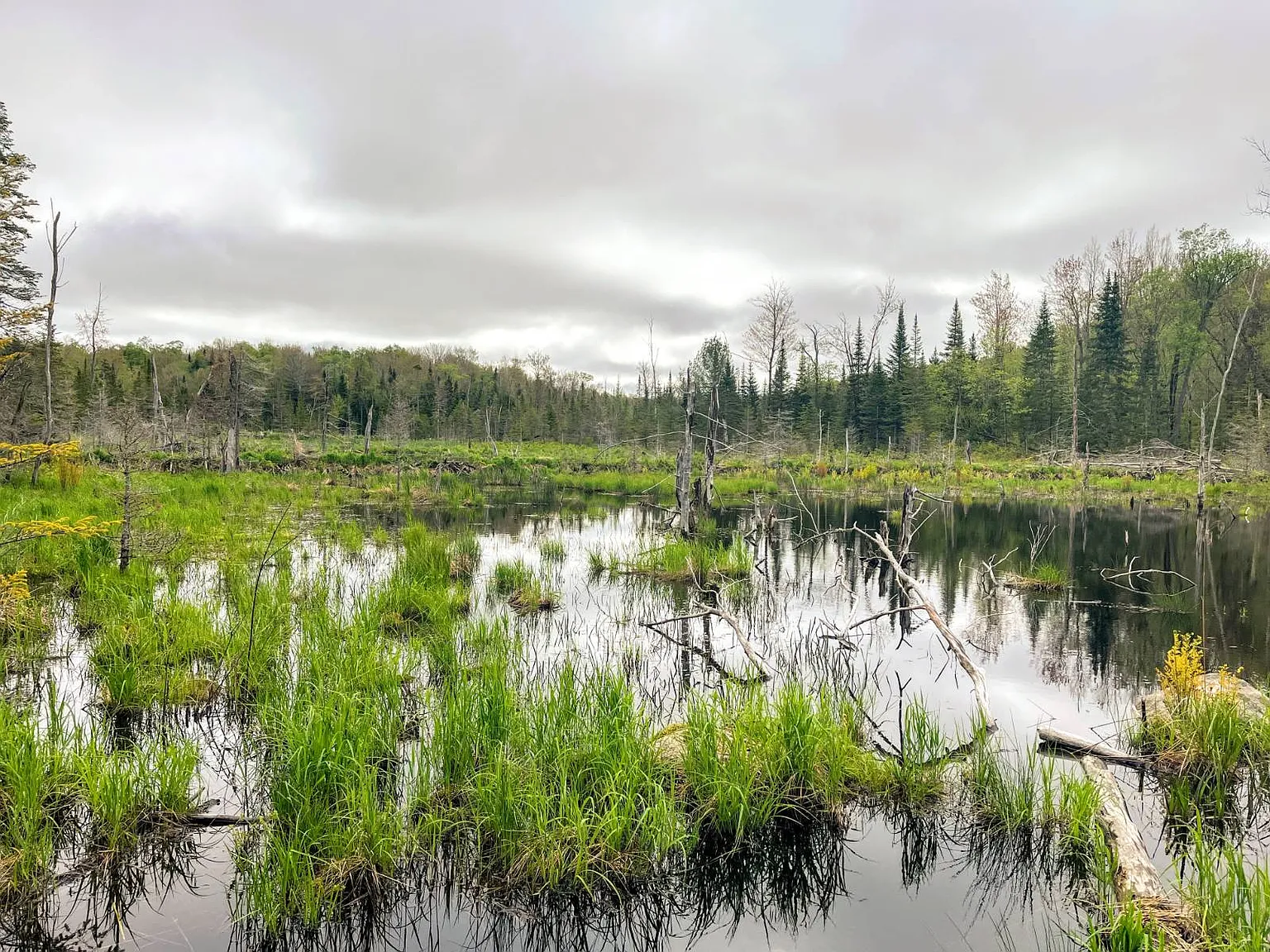
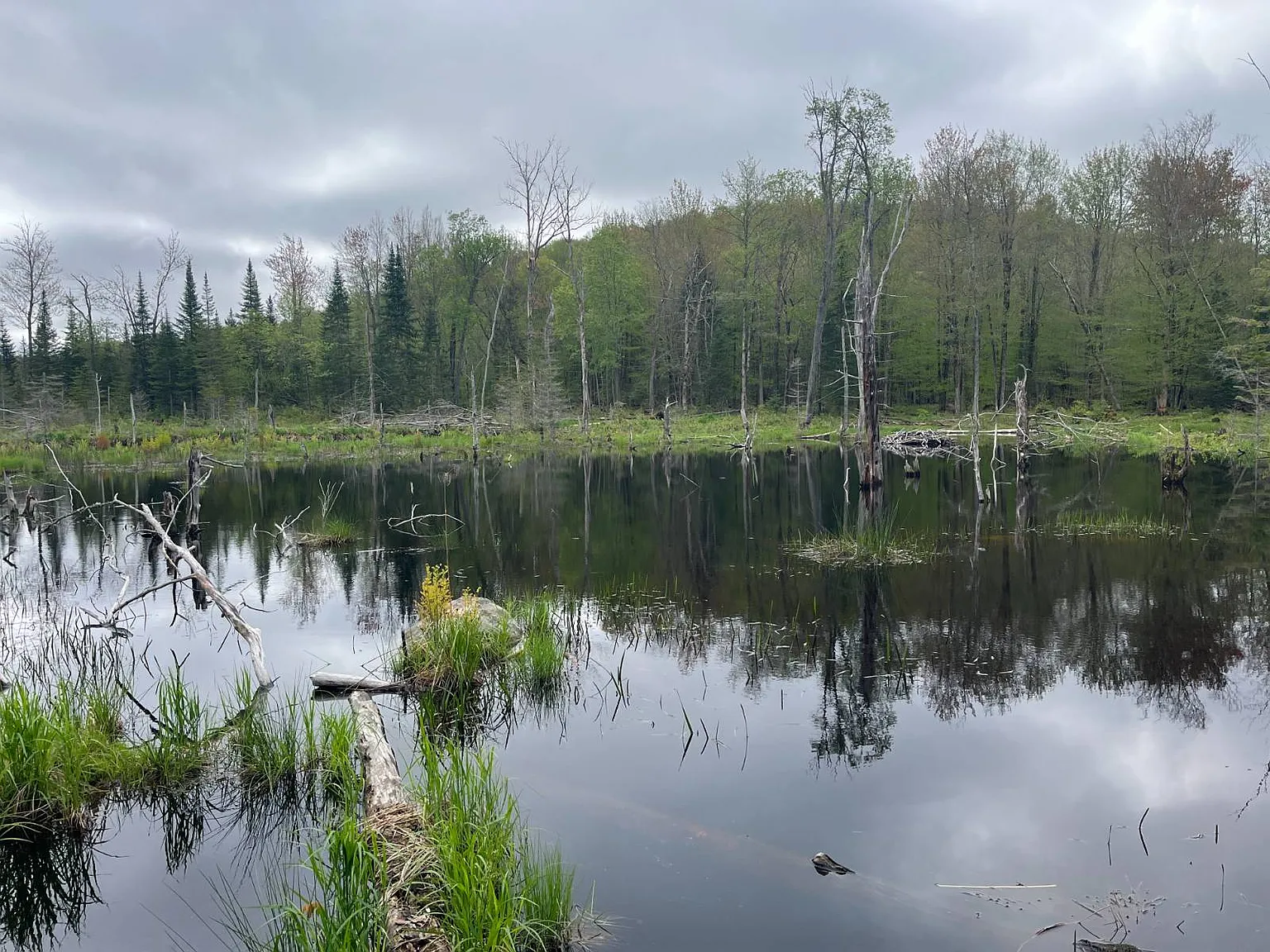
Small Beaver Pond
The property includes a small beaver pond.
Beaver ponds can create rich wetland habitat for birds, amphibians, mammals, insects, and aquatic plants.
The pond may also add scenic interest and increase opportunities for wildlife observation.
Buyers should understand changing water levels, dam activity, flooding potential, access conditions, and wetland regulations.
Water Views
The listing identifies views of the creek, stream, and pond.
These natural features help distinguish the parcel from ordinary wooded acreage without surface water.
Different locations may provide changing views depending on vegetation, season, and water levels.
Strategic trail maintenance could improve access while protecting sensitive banks and wet areas.
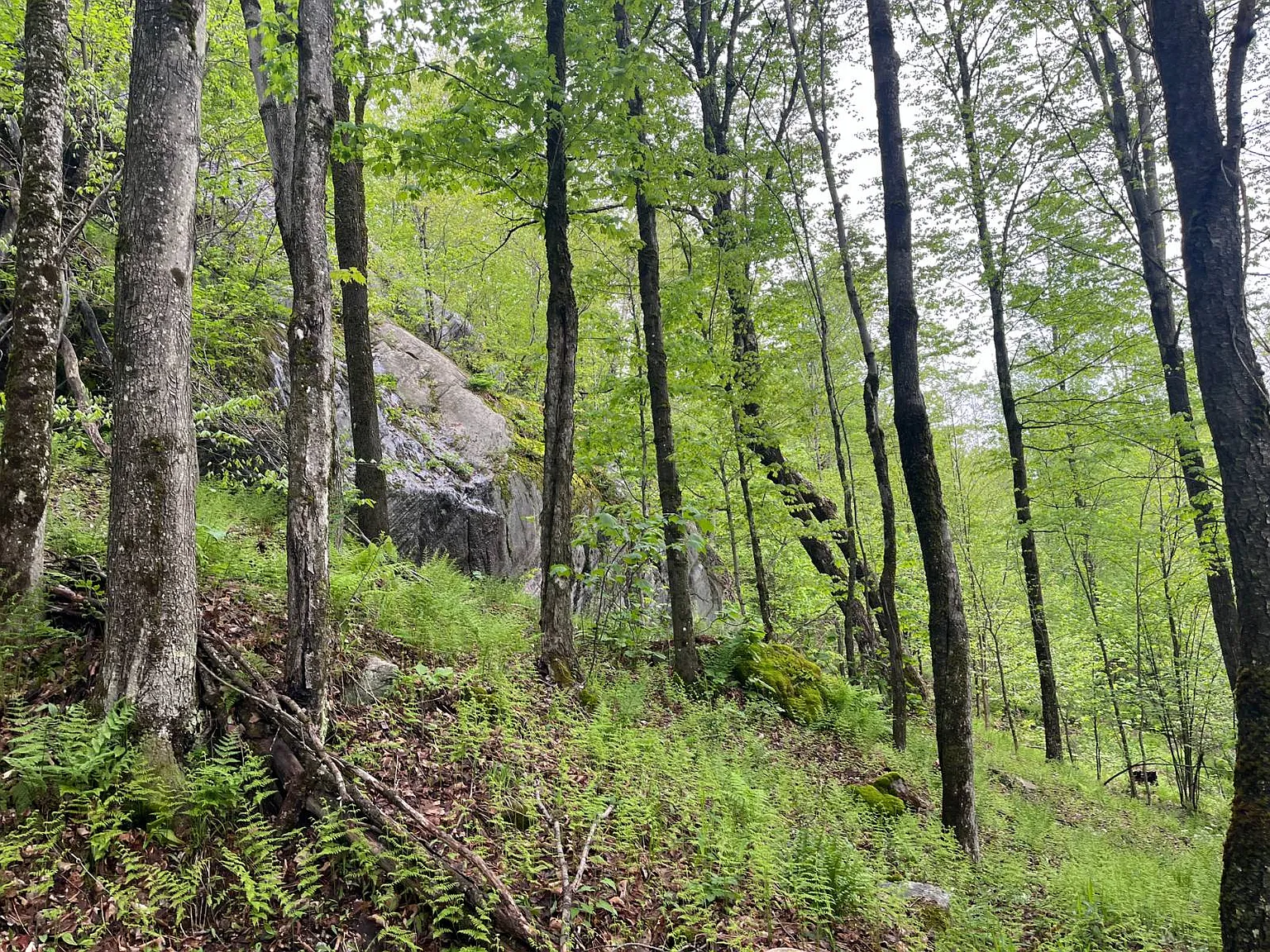
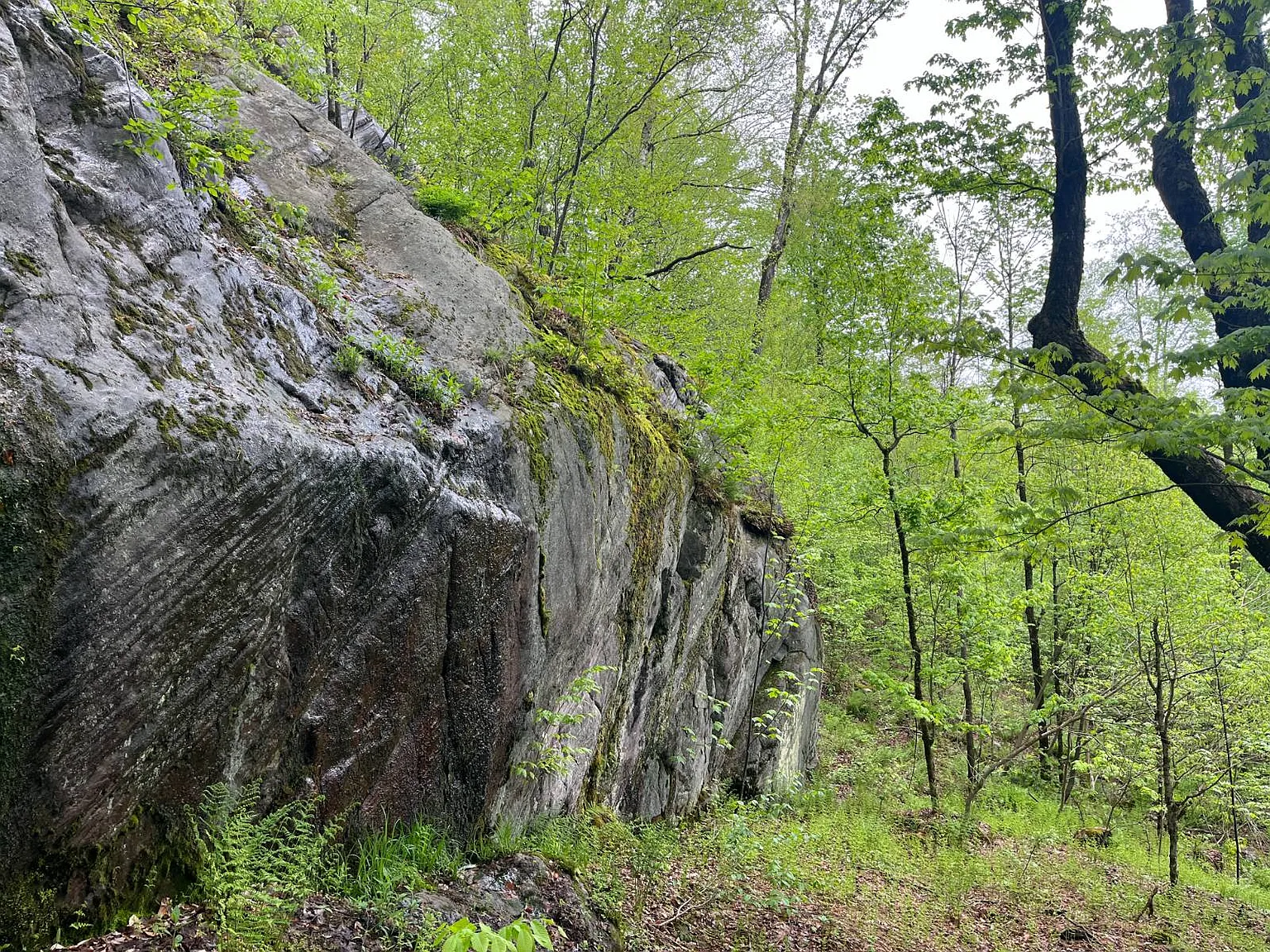
Interesting Rock Outcrops
Rock outcrops are found throughout the property.
These formations add visual character and may create scenic overlooks, natural landmarks, wildlife cover, and interesting trail destinations.
They also reflect the rugged geological character commonly associated with Adirondack landscapes.
Owners should use caution around steep, loose, wet, or moss-covered rock surfaces.
Extensive Trail Network
An extensive network of trails runs through the acreage.
Existing trails can improve access for hunting, hiking, forestry, wildlife observation, and property maintenance.
They may also reduce the amount of immediate work required to explore the land after purchase.
Buyers should inspect trail condition, width, drainage, erosion, bridges, seasonal wet areas, and connections to the private road.
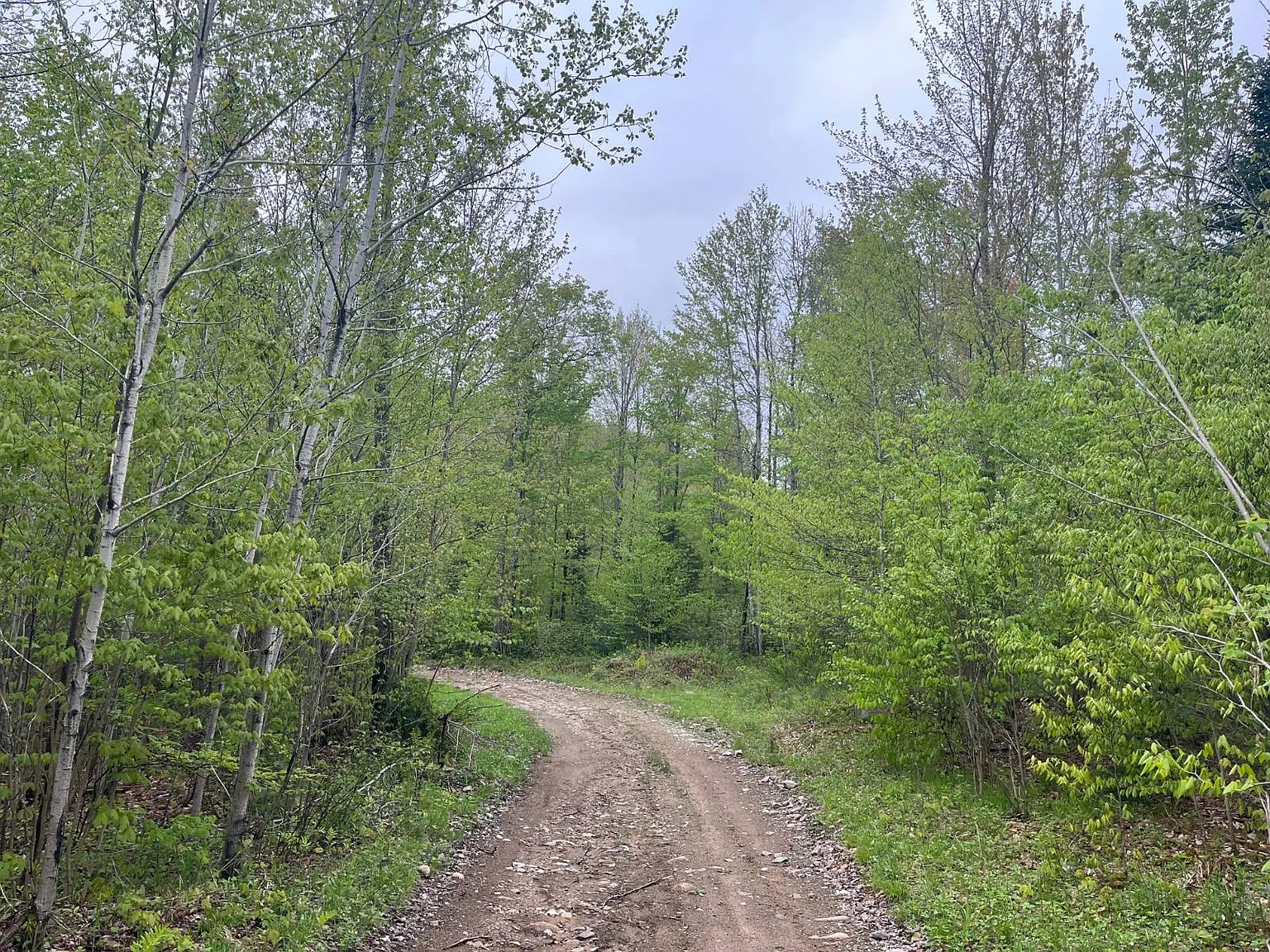
More Than 4,000 Feet of Private Road
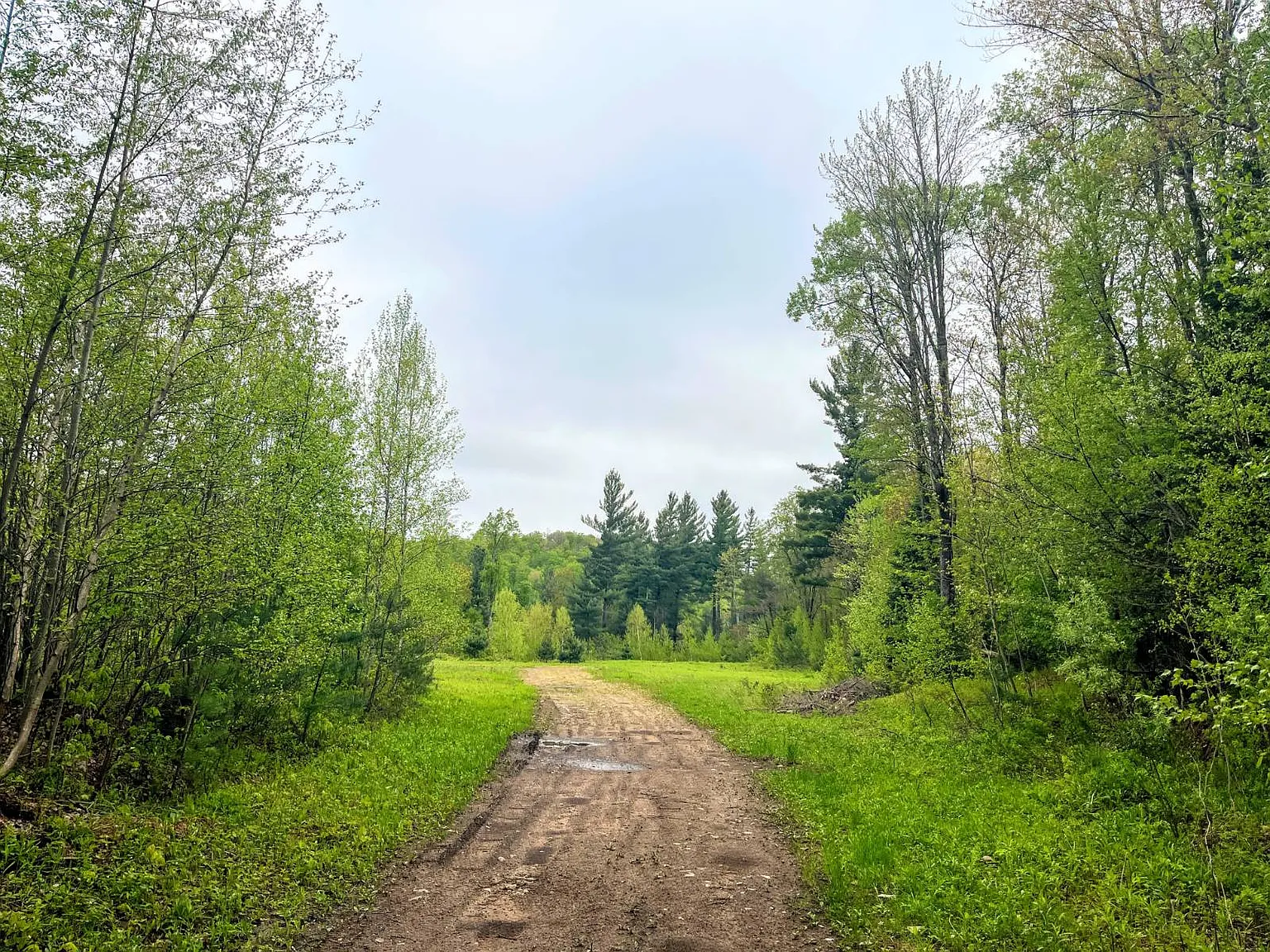
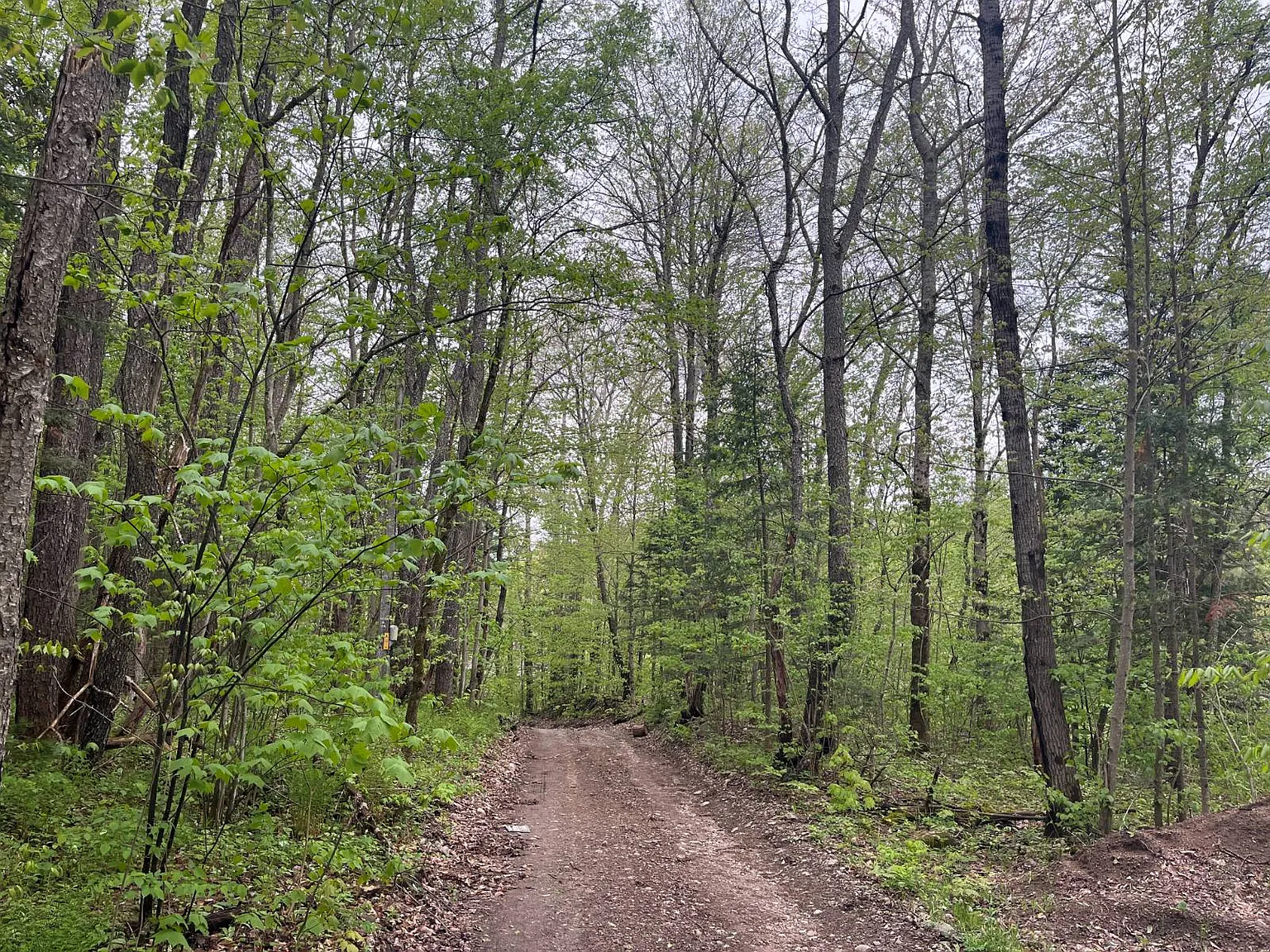
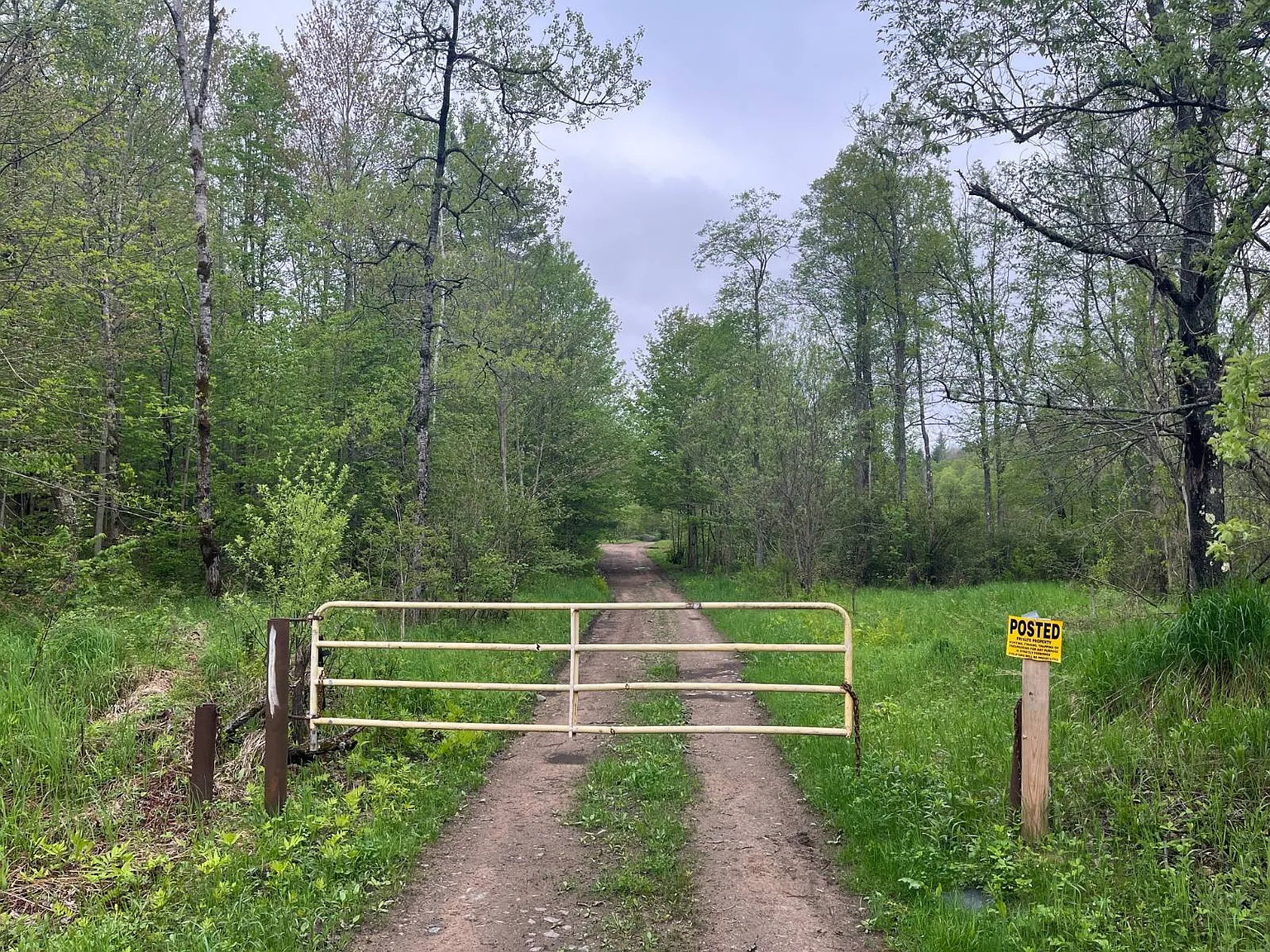
The property includes more than 4,000 feet of private gravel road.
This internal road provides access through a significant portion of the acreage and toward the remote cabin.
Having an established route is valuable on a parcel of this size, especially for equipment, supplies, and emergency access.
Road maintenance, grading, drainage, vegetation control, snow conditions, and legal rights should be reviewed.
Seasonal Vehicle Access
The private gravel road reportedly allows access by car or truck during spring, summer, and fall.
This makes the property more approachable than land requiring an ATV, tractor, or long hike during those seasons.
Road conditions may still vary during heavy rain, mud season, storms, or maintenance delays.
Winter access should not be assumed without confirming snow removal, terrain, and vehicle requirements.
Remote Access Considerations
The property is described as very remote.
This privacy is one of its greatest advantages, but it also creates practical challenges for supplies, emergencies, repairs, and communication.
Owners may need a reliable vehicle, recovery gear, tools, fuel, maps, first-aid equipment, and backup communication.
Visitors should understand the route and expected conditions before traveling to the camp.
Borders State Land
The property directly borders the Aldrich Pond Wild Forest.
Adjoining public land can expand the sense of wilderness and reduce the likelihood of immediate residential development along that boundary.
It may also provide access to a much broader landscape for legal outdoor recreation.
Buyers should verify the exact shared boundary and understand all state-land rules before crossing it.
Aldrich Pond Wild Forest
The adjoining state property is identified as the Aldrich Pond Wild Forest.
The listing describes the neighboring section as a landlocked parcel of state forest.
This unusual relationship contributes to the secluded character of the property.
Ownership of adjoining private land does not grant exclusive use or control of public forest areas.
Hunting Opportunities
The property is marketed as backwoods hunting land.
Its large wooded acreage, water sources, trails, rock cover, and state-land border may create favorable habitat and travel corridors.
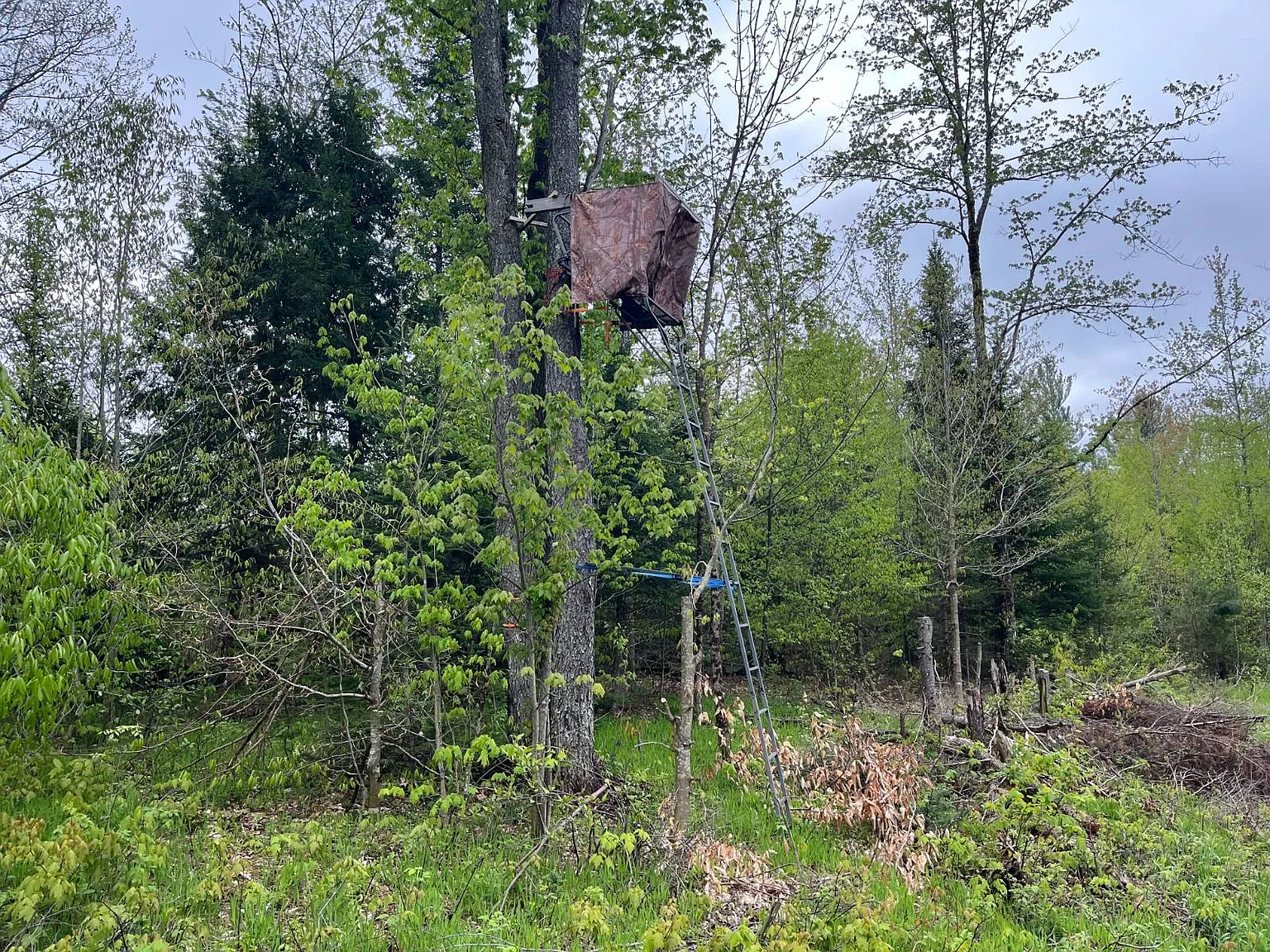
Hunters could potentially establish stands, blinds, observation points, and carefully managed access routes.
All activity must follow New York hunting seasons, licensing requirements, safety rules, and property boundaries.
Whitetail Deer Habitat
Whitetail deer are among the wildlife reported on the land.
The combination of hardwood forest, water, cover, and trails may support regular deer movement.
Landowners may improve habitat through responsible forestry, selective trail work, and careful hunting pressure.
Wildlife presence naturally varies and should never be treated as guaranteed.
Black Bear Habitat
The listing also identifies black bear as one of the species present in the area.
Large, remote forest parcels can provide suitable bear habitat and movement corridors.
Owners should store food, waste, and scented supplies securely to reduce unwanted encounters near the cabin.
All bear hunting and wildlife management must comply with current New York regulations.
Moose Sightings
Moose are included among the wildlife associated with the property.
A moose sighting can be an exciting part of owning land in Northern New York.
These large animals should be observed from a safe distance and never approached or fed.
Their actual presence and frequency on the specific parcel cannot be guaranteed.
Wild Turkey and Small Game
Wild turkey and various small-game species are also reported in the area.
The forest, stream corridor, wetland habitat, and open trail edges may support a diverse wildlife population.
Owners may enjoy hunting, photography, birdwatching, tracking, or general nature observation.
Species identification, seasons, possession limits, and legal methods should always be confirmed.
Wildlife Observation
The property may appeal even to buyers who do not hunt.
More than 133 wooded acres provide opportunities to observe tracks, nesting activity, animal movement, and seasonal behavior.
Trail cameras and quiet observation points could help owners understand how wildlife uses the property.
Equipment placement should respect privacy, state-land boundaries, and applicable laws.
Hiking Potential
The internal trails create strong opportunities for private hiking.
Owners could explore the woods, stream, pond, rock outcrops, cabin area, and adjoining landscape.
A trail system may also support exercise, photography, family outings, and property monitoring.
Maps, markers, drainage work, and regular maintenance would improve safety and navigation.
ATV Riding
The surrounding area offers opportunities for ATV riding.
The private road and trail network may also support some riding within the parcel depending on trail condition and land-management goals.
ATVs can be useful for transporting tools, game, firewood, supplies, and maintenance equipment.
Riders should avoid damaging streams, wetlands, steep slopes, and vulnerable forest soils.
Snowmobile Access
Snowmobile riding is another recreational option highlighted in the listing.
Northern New York winters may provide long periods of snow suitable for seasonal riding.
The cabin could serve as a base for trips on nearby legal trail systems.
Owners should verify direct trail access, registrations, insurance, closures, and landowner permissions.
Forestry Potential
The entirely wooded acreage may have long-term forestry potential.
Responsible management could improve tree health, wildlife habitat, access, and possible timber value.
Any harvesting plan should be guided by a professional forester rather than short-term assumptions.
Buyers should confirm ownership of timber rights and review environmental, access, and tax considerations.
Conservation Potential
The property may also appeal to buyers interested in conservation.
Streams, wetlands, hardwood forest, wildlife habitat, and the state-land boundary give the parcel ecological significance.
Future owners could preserve the land, improve habitat, control invasive plants, and limit unnecessary development.
Conservation easements and tax programs should be reviewed carefully before making permanent commitments.
Off-Grid Retreat Potential
The rustic camp and remote setting create strong off-grid retreat potential.
The property could be used for hunting weekends, nature escapes, writing retreats, camping, or seasonal family gatherings.
Because no formal utilities or bathroom facilities are listed, owners should expect a simple backwoods lifestyle.
Any upgrades should be designed around safety, legal permits, environmental protection, and realistic maintenance.
No Formal Bedrooms or Bathrooms
The Zillow facts list zero bedrooms and zero bathrooms.
The existing bunks provide sleeping space, but the camp does not appear to have formal residential rooms as defined in the listing.
No bathroom or septic system is described in the provided details.
Buyers should confirm sanitation arrangements and legal occupancy before planning extended stays.
Unimproved Land Classification
The property is classified as unimproved land.
This means the main value is likely associated with the acreage, recreational use, timber, water features, access, and hunting camp.
The cabin may not be recognized as a conventional residence with standard utilities and building systems.
Financing, insurance, appraisal, and property taxes may differ from those for a traditional home.
No Basement
The camp does not have a basement.
This is common for simple seasonal hunting structures in remote locations.
The lack of a basement reduces below-ground storage and may affect how the cabin is supported.
Buyers should inspect the foundation type, floor framing, ventilation, moisture exposure, and animal access underneath.
No Fireplace Listed
The listing does not identify a traditional fireplace.
Heating is instead provided by the large wood stove inside the open living area.
A wood stove may be more efficient for a small rustic camp than an open fireplace.
The system should still receive a complete safety inspection before use.
Additional Outbuilding
An additional general outbuilding is listed with the property.
This structure may provide storage for tools, firewood, hunting supplies, maintenance equipment, or recreational gear.
The listing does not provide detailed information about its size or condition.
Buyers should inspect its roof, framing, floor, doors, security, and legal status.
No Homeowners Association
The property does not have an HOA.
This eliminates association fees and private community rules that may restrict outdoor activities or land use.
Owners may have greater flexibility for trails, hunting, forestry, camping, and recreational improvements.
Town, county, state, deed, environmental, and Adirondack land-use regulations still apply.
Star Lake Access
Star Lake is described as the closest primary town.
The town is approximately 10 minutes away according to the listing.
It may provide basic supplies, fuel, food, and services needed to maintain the camp and support recreational visits.
Buyers should confirm the actual travel time from the property entrance under different road and weather conditions.
Proximity to Basic Supplies
Having a town nearby makes the remote property more practical.
Owners may be able to purchase groceries, fuel, hardware, firewood equipment, and other essentials without traveling a great distance.
This balance between wilderness and access is an important advantage for recreational land.
Specialized repairs, healthcare, contractors, and major shopping may still require longer travel.
Cabin Improvement Potential
The hunting camp may be improved over time depending on permits and condition.
Possible upgrades could include roofing, insulation, bunks, storage, lighting, screened-porch repairs, cooking facilities, and safer heating equipment.
Owners may also explore solar power, battery systems, rainwater collection, or other limited off-grid improvements.
All work should comply with local building, sanitation, environmental, and Adirondack regulations.
Trail Improvement Potential
The existing trail system gives future owners a valuable starting point.
Trails could be cleared, mapped, marked, drained, and maintained for different uses.
Some routes may support hiking, while wider sections could accommodate ATVs, tractors, or forestry equipment.
Careful planning can reduce erosion and protect streams, wetlands, and wildlife habitat.
Recreational Investment Potential
Large recreational parcels with water features, road access, an existing camp, and state-land borders can attract specialized buyers.
Potential future buyers may include hunters, conservationists, outdoor families, timber investors, and Adirondack enthusiasts.
Maintaining access, boundaries, trails, the cabin, and forest health could support long-term value.
Investment planning should include taxes, insurance, road maintenance, equipment, legal access, and property-management costs.
Important Due Diligence
A property of this size and remoteness requires extensive due diligence.
Buyers should verify the survey, deeded access, private-road rights, cabin status, state-land boundary, timber rights, zoning, taxes, and environmental restrictions.
The stream, pond, wetlands, road, trails, camp, wood stove, outbuilding, and seasonal vehicle access should all be inspected.
Financing and insurance should be discussed early because unimproved recreational land can be treated differently from residential real estate.
Final Thoughts
This Star Lake property combines approximately 133.6 acres of entirely wooded Adirondack land, a remote hunting cabin, a woodland stream, a small beaver pond, rock outcrops, private roads, and an extensive trail network.
The cabin’s open layout, basic kitchen area, wood stove, bunks, screened porch, and location beside a babbling brook create an authentic traditional hunting-camp experience.
Its direct border with the Aldrich Pond Wild Forest and habitat for deer, bear, moose, turkey, and small game make it especially appealing to hunters and outdoor enthusiasts.
Priced at $159,900, this rare Northern New York property offers exceptional privacy, large acreage, recreational possibilities, and the chance to own a true backwoods Adirondack retreat.
If you need more info, contact the listing agent from the Zillow link below the photos.
Listed on Zillow