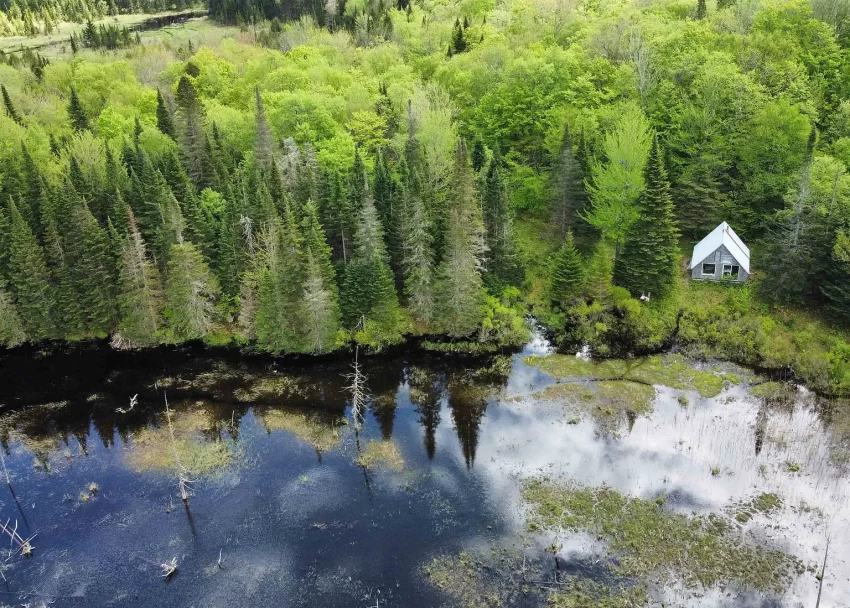
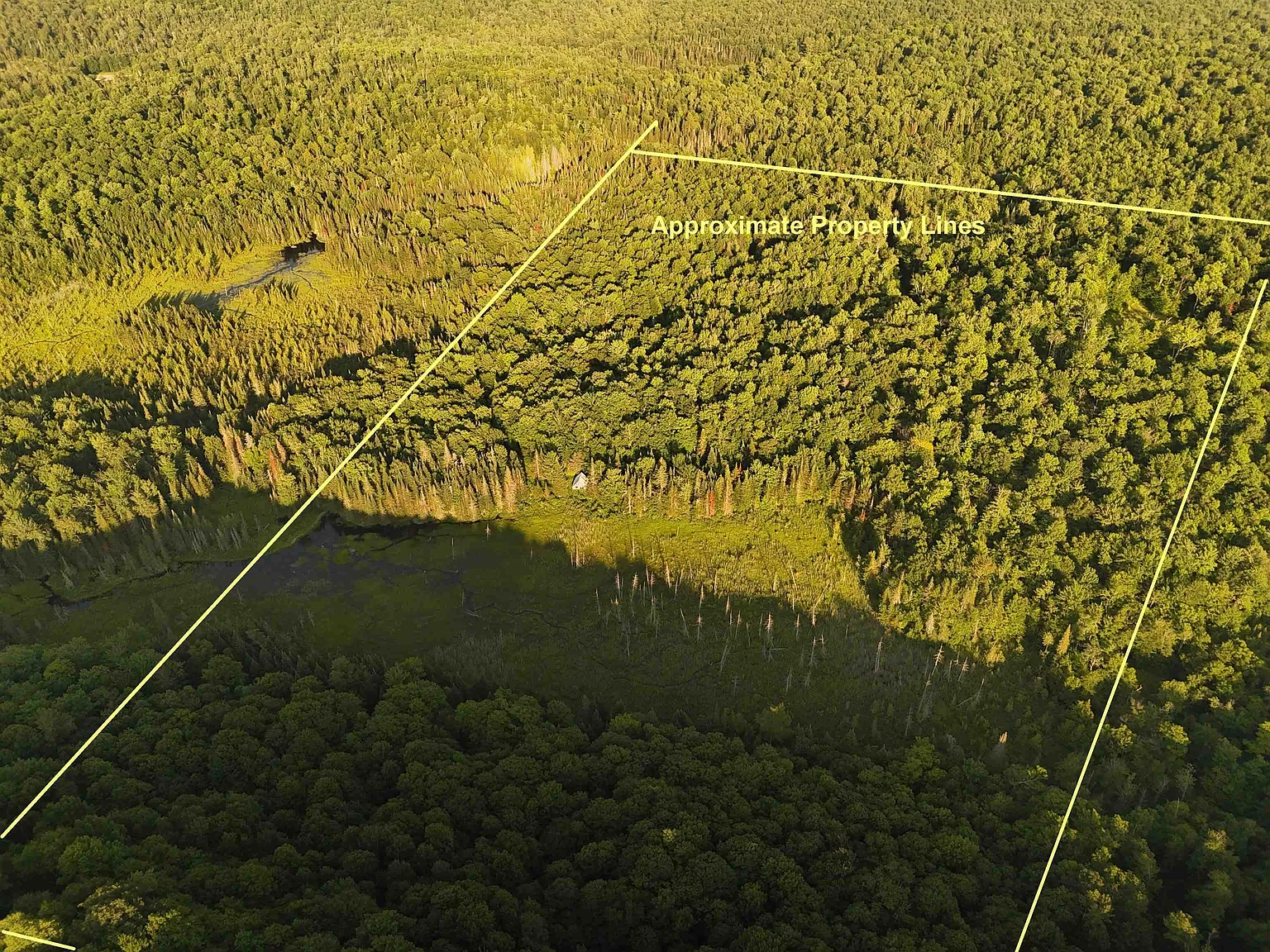
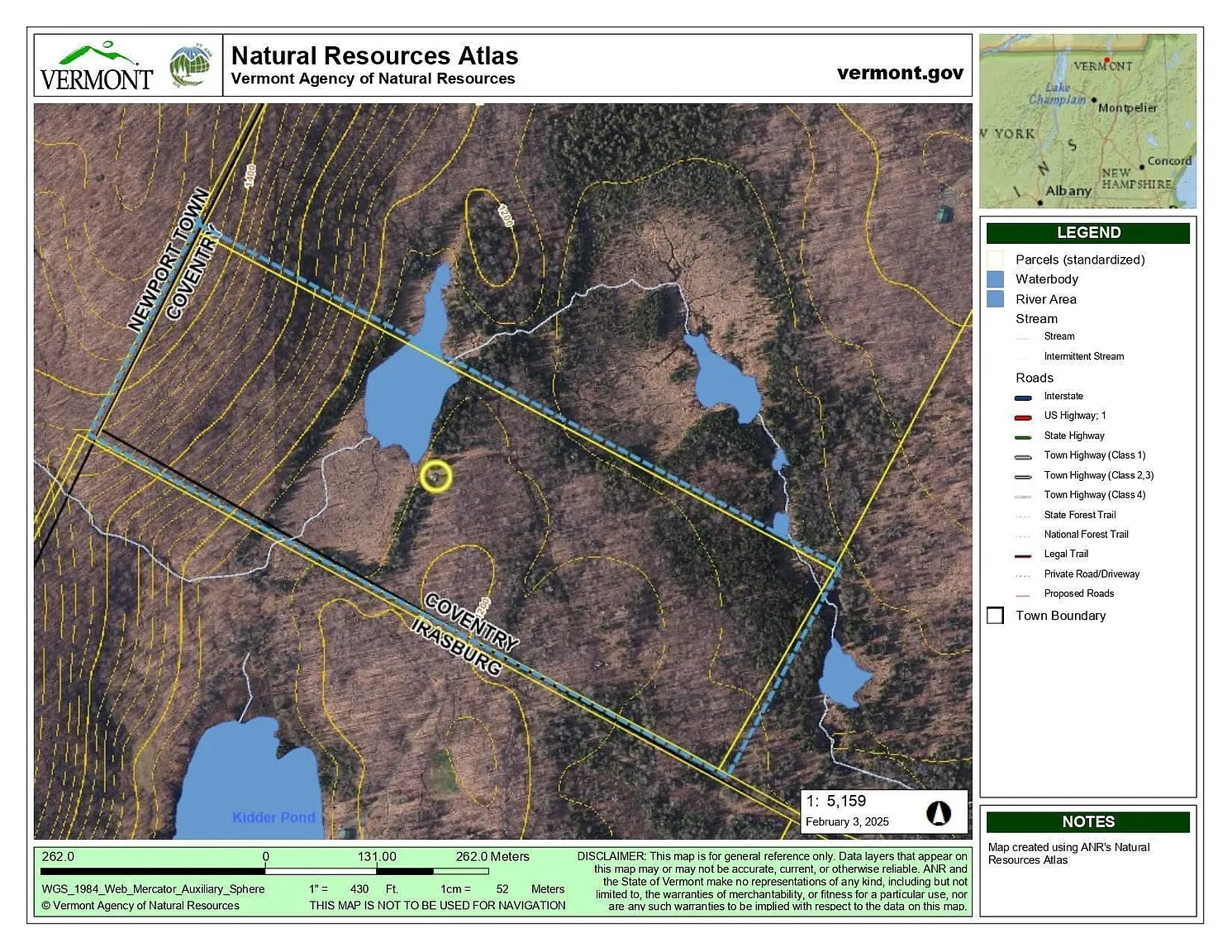
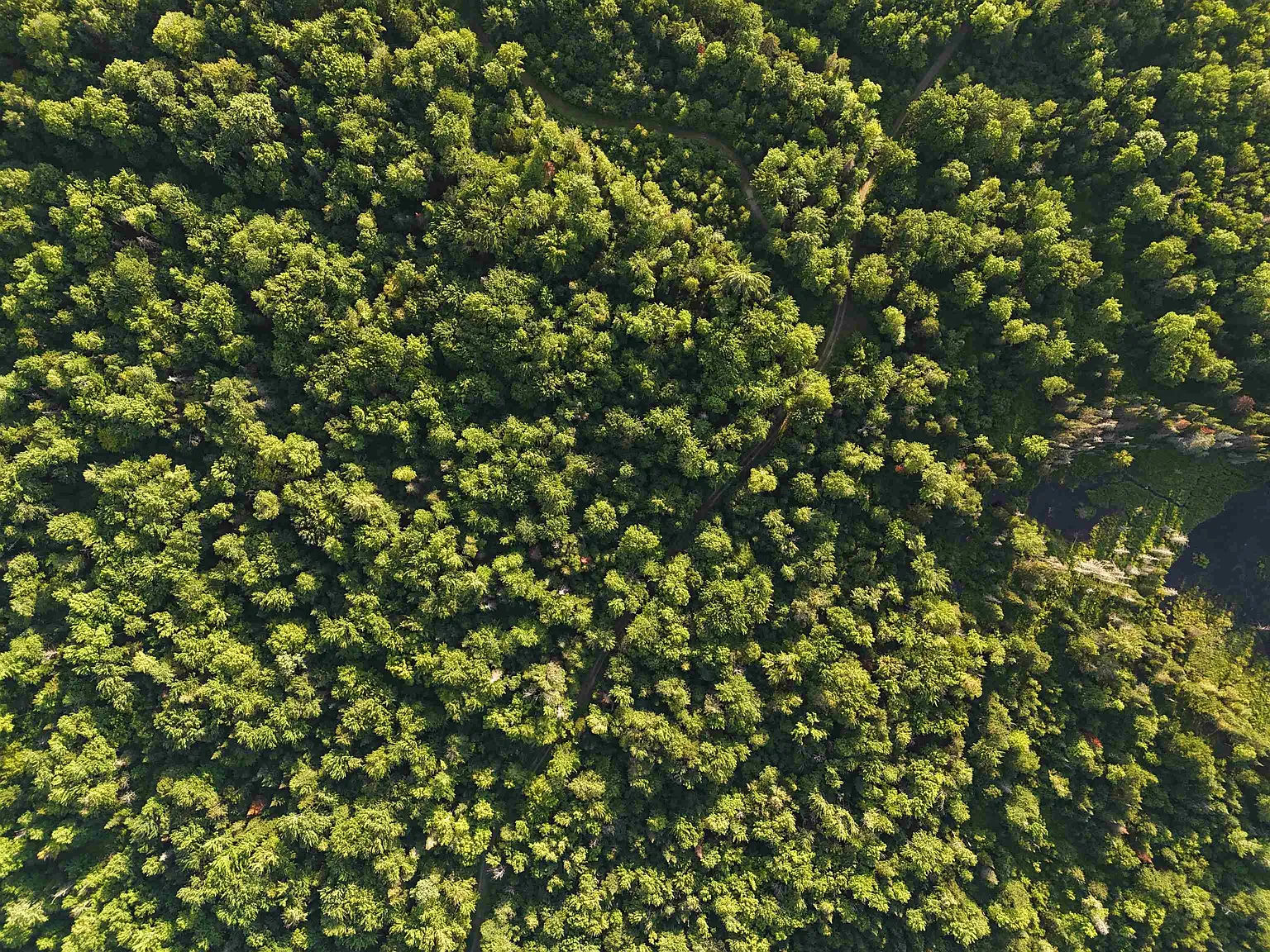
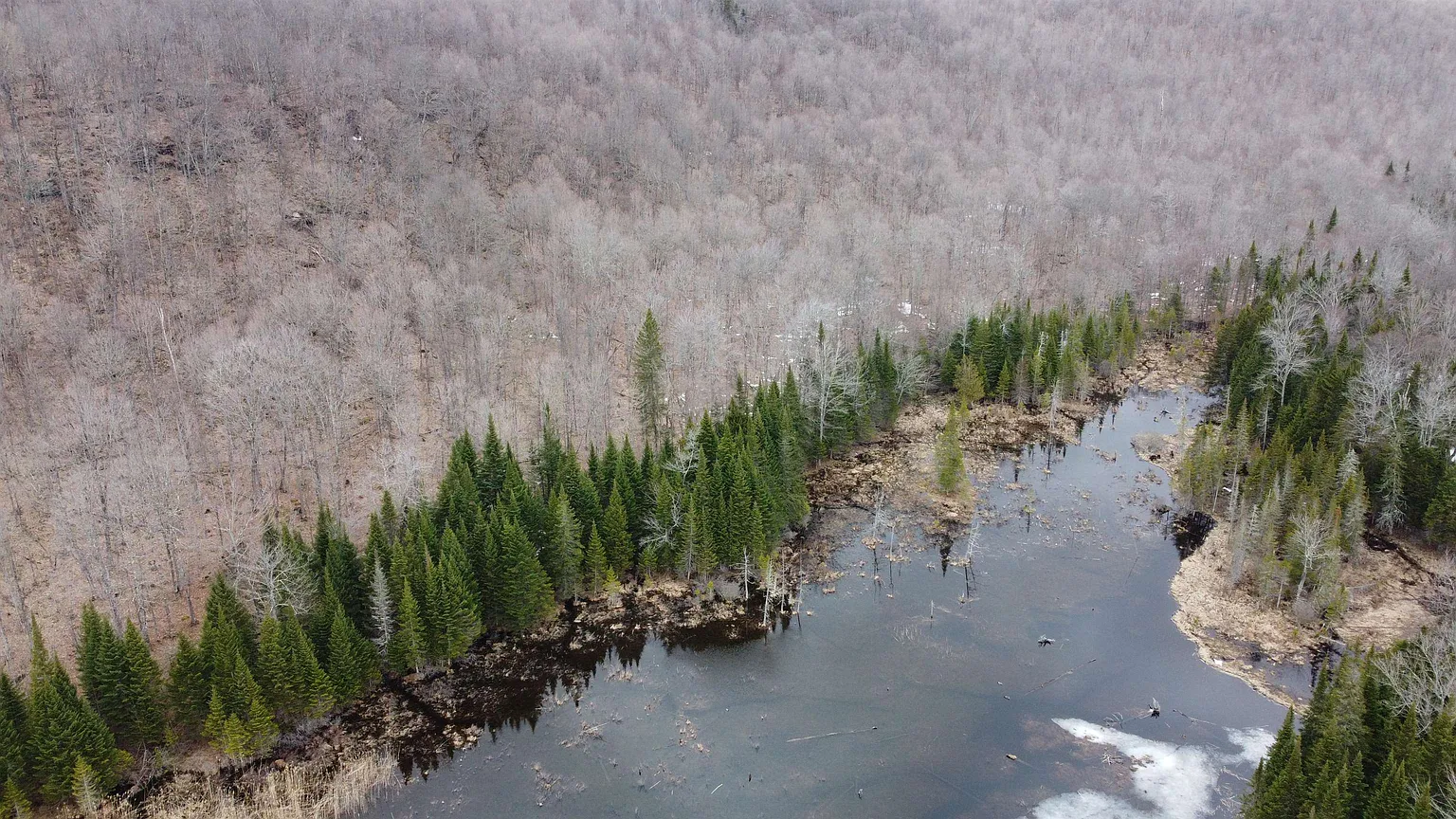
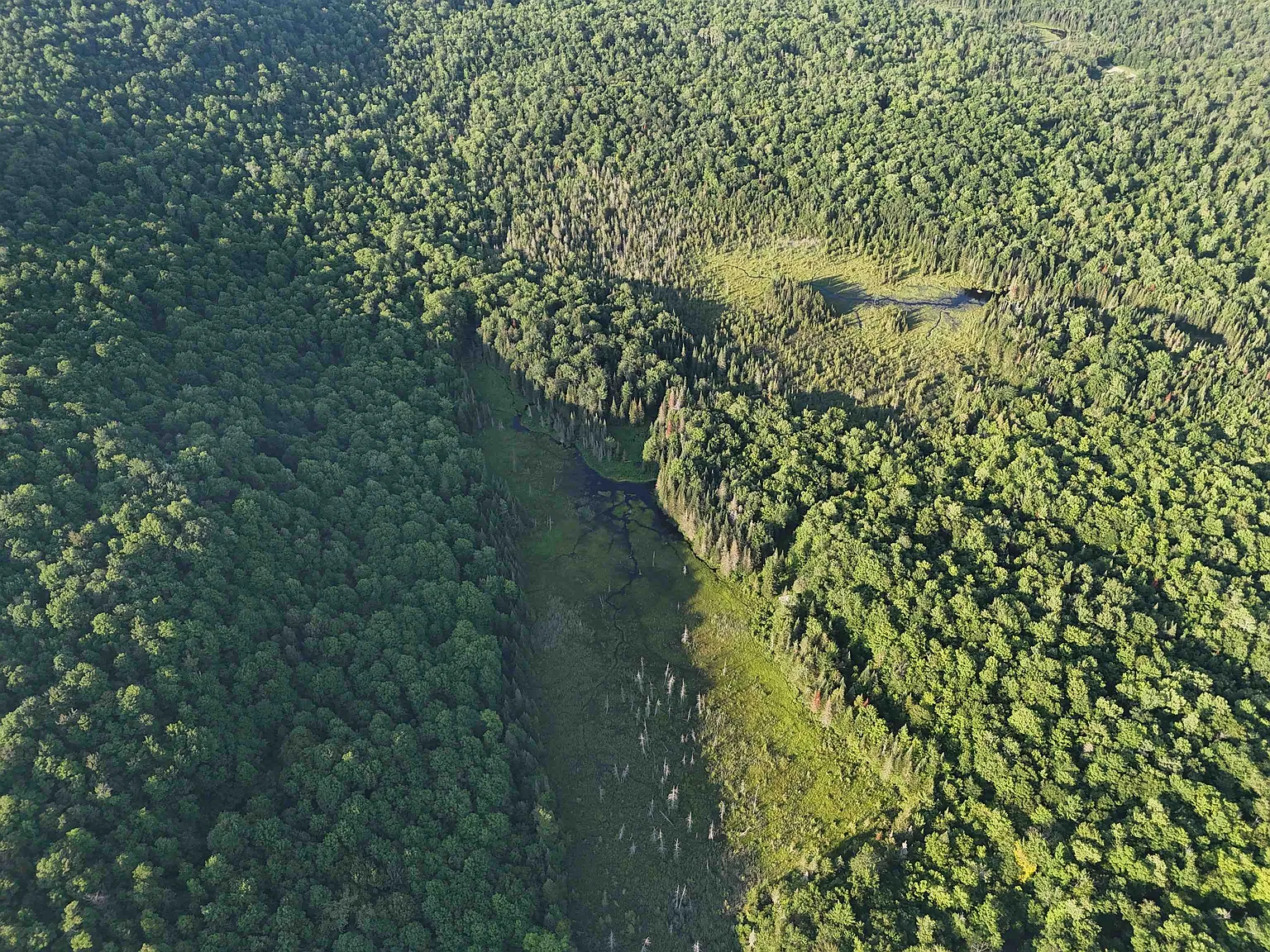
Welcome to Adorable Living Spaces. Today we are featuring an unusually remote recreational property at 805 & 949 Cobblestone Trail in Coventry, Vermont, offering 47.4 acres of wetlands, woodland, hardwood-covered hills, and a large beaver pond.
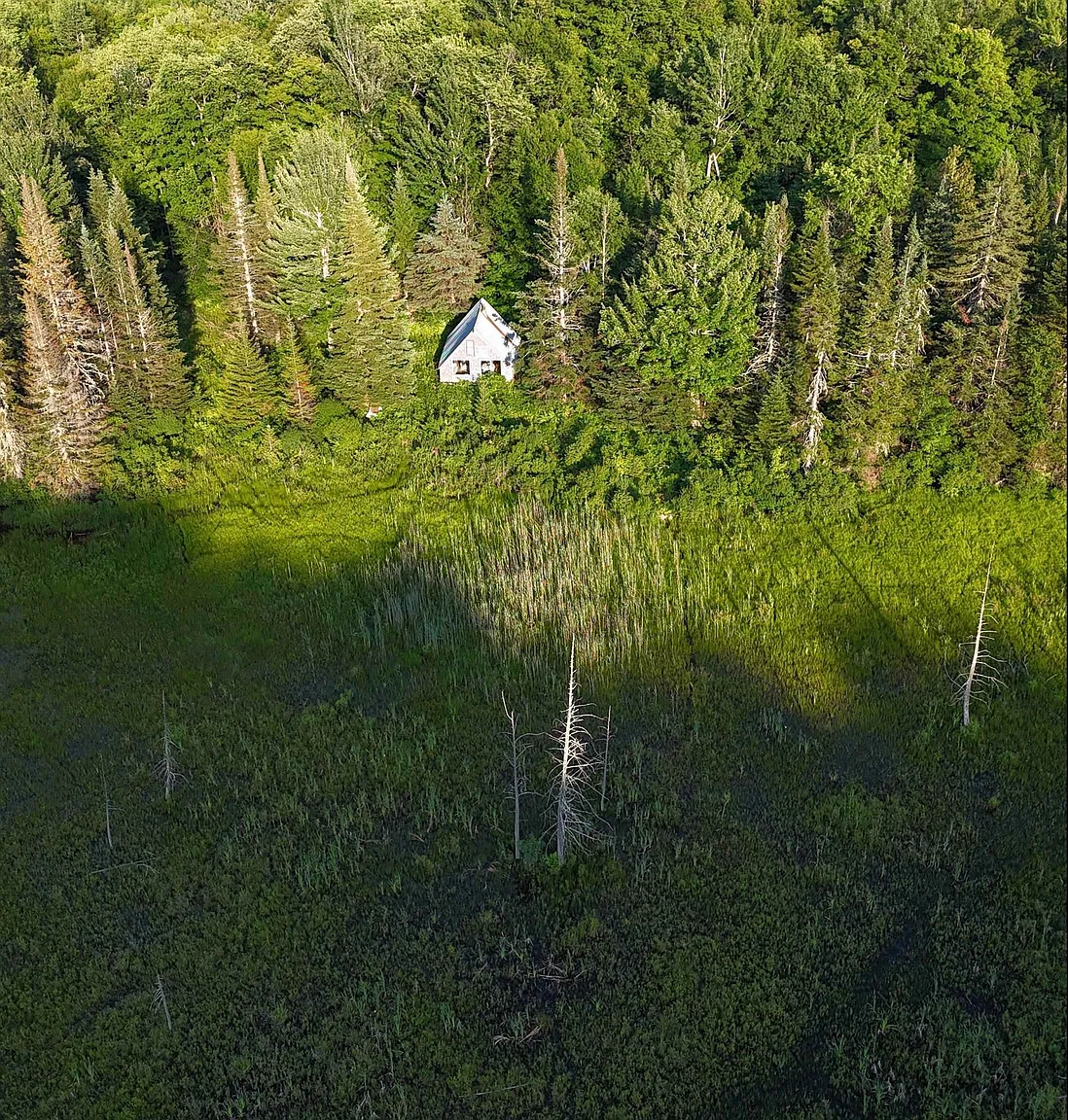
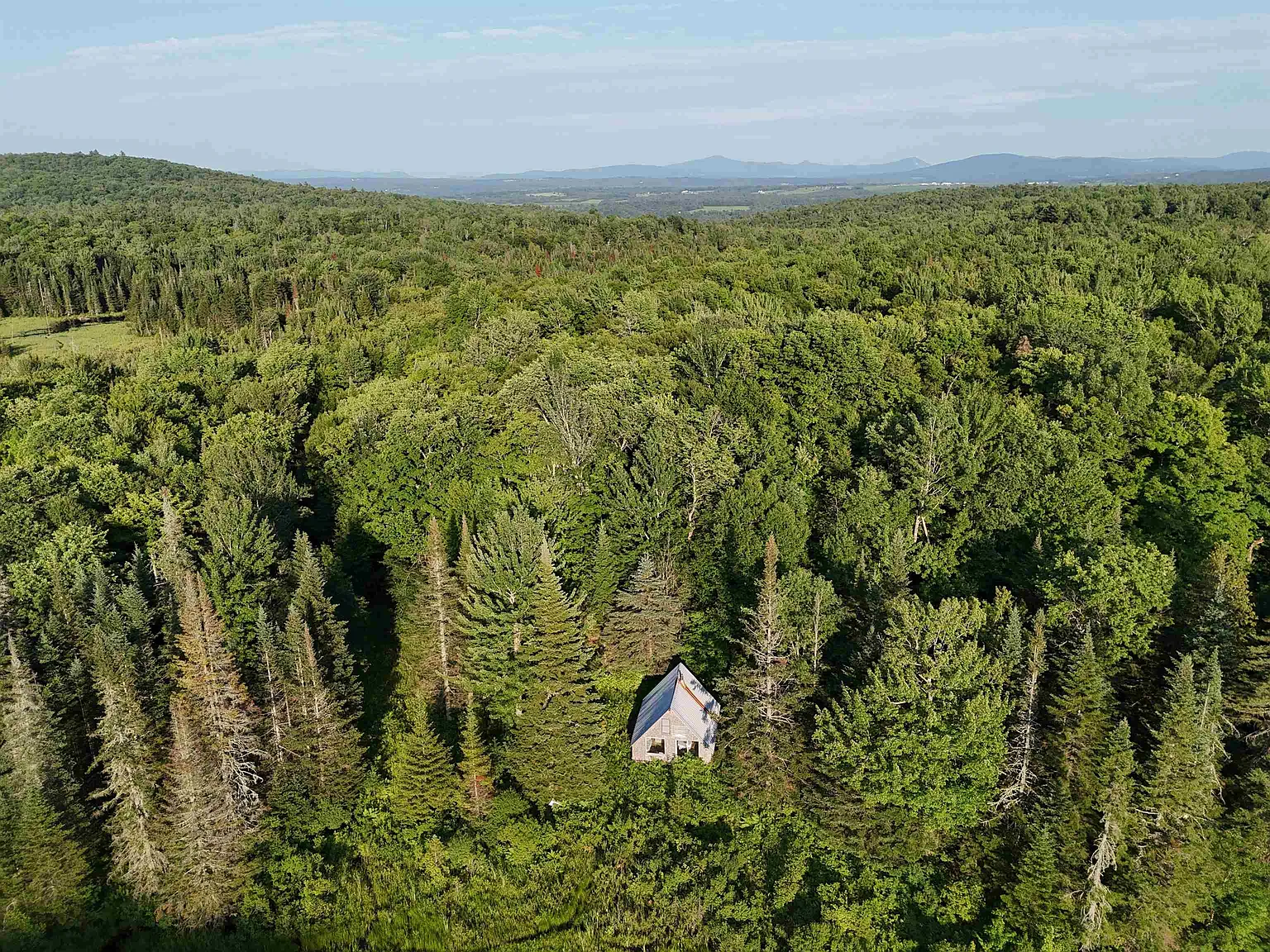
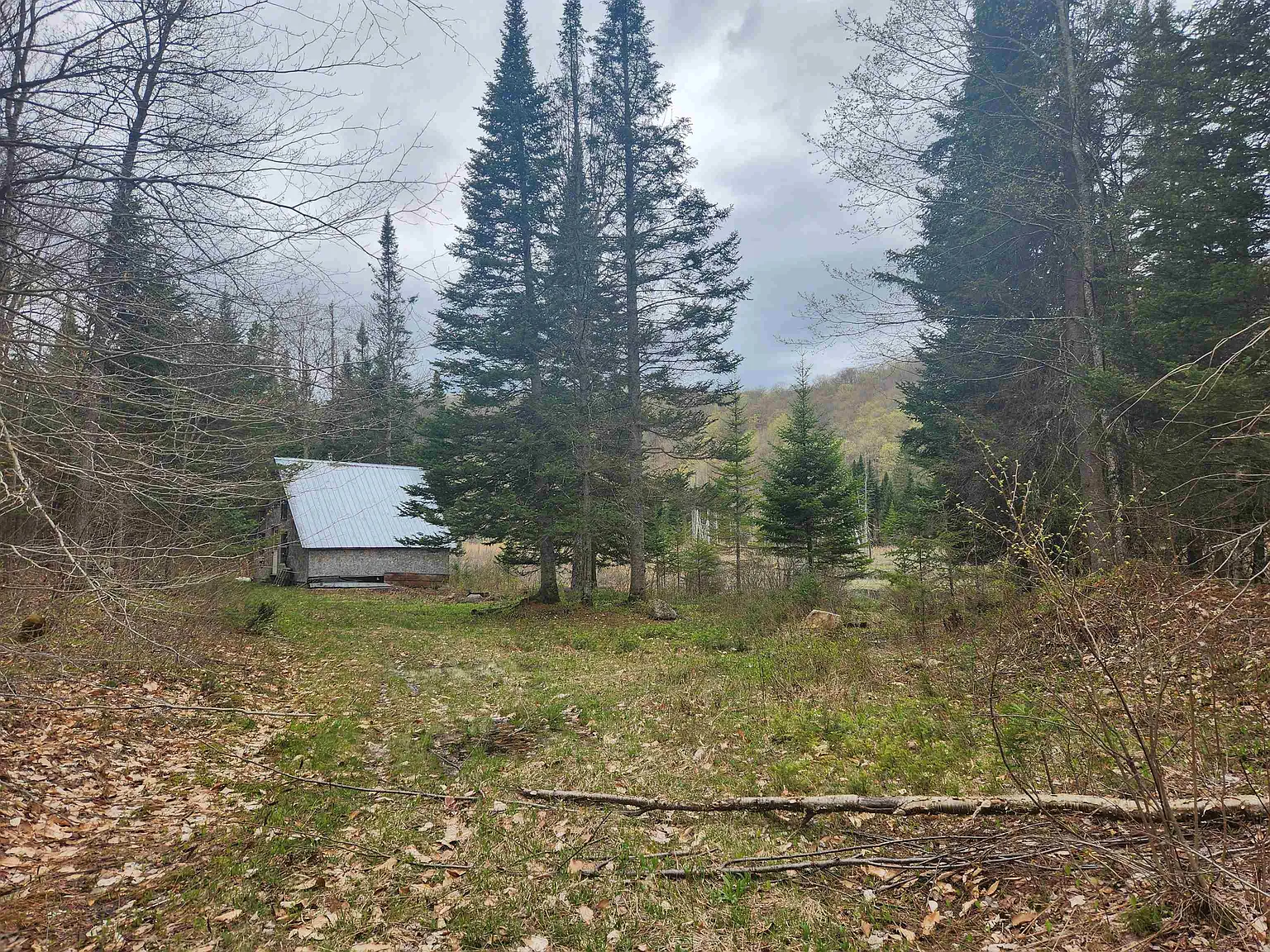
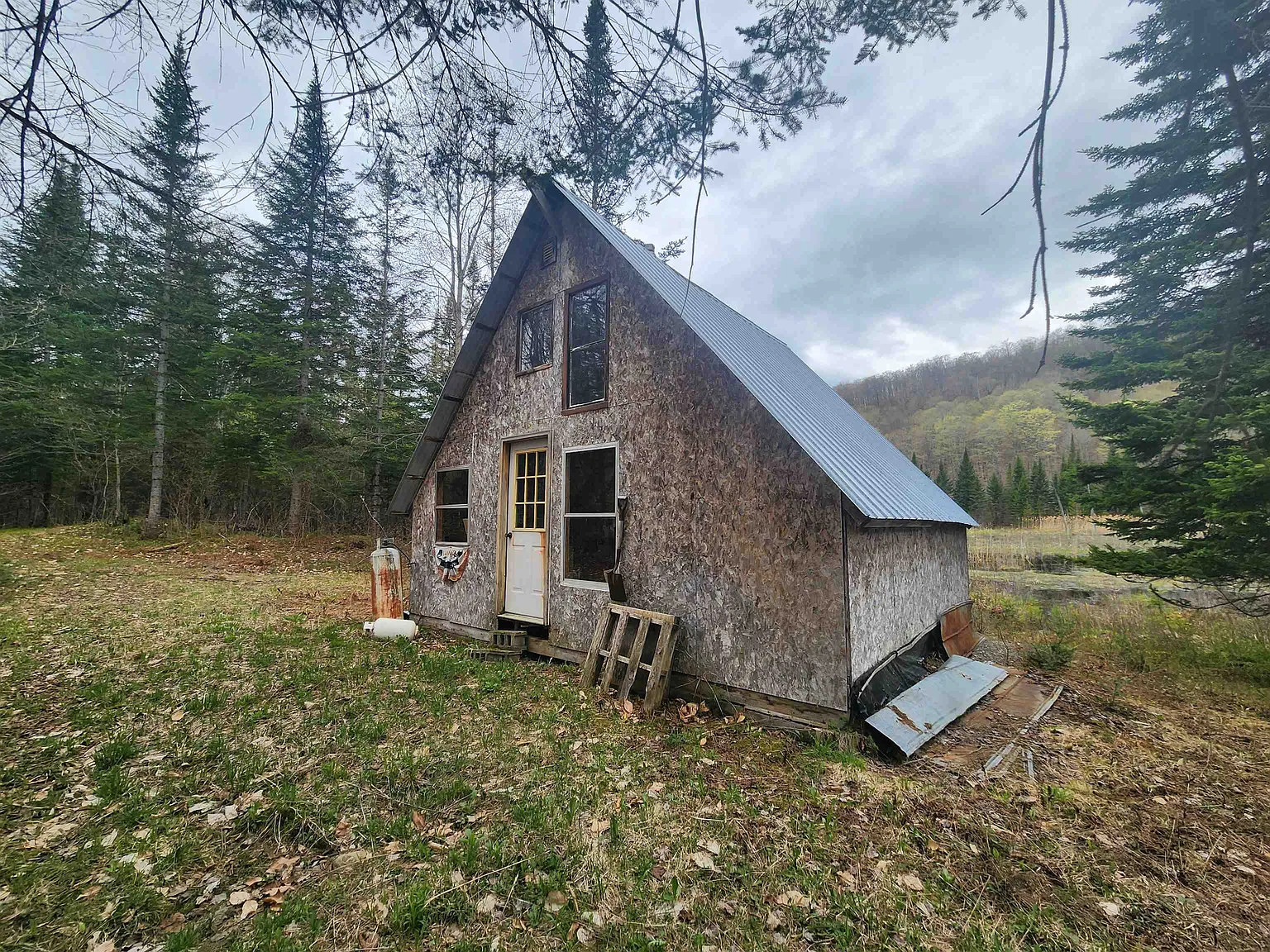
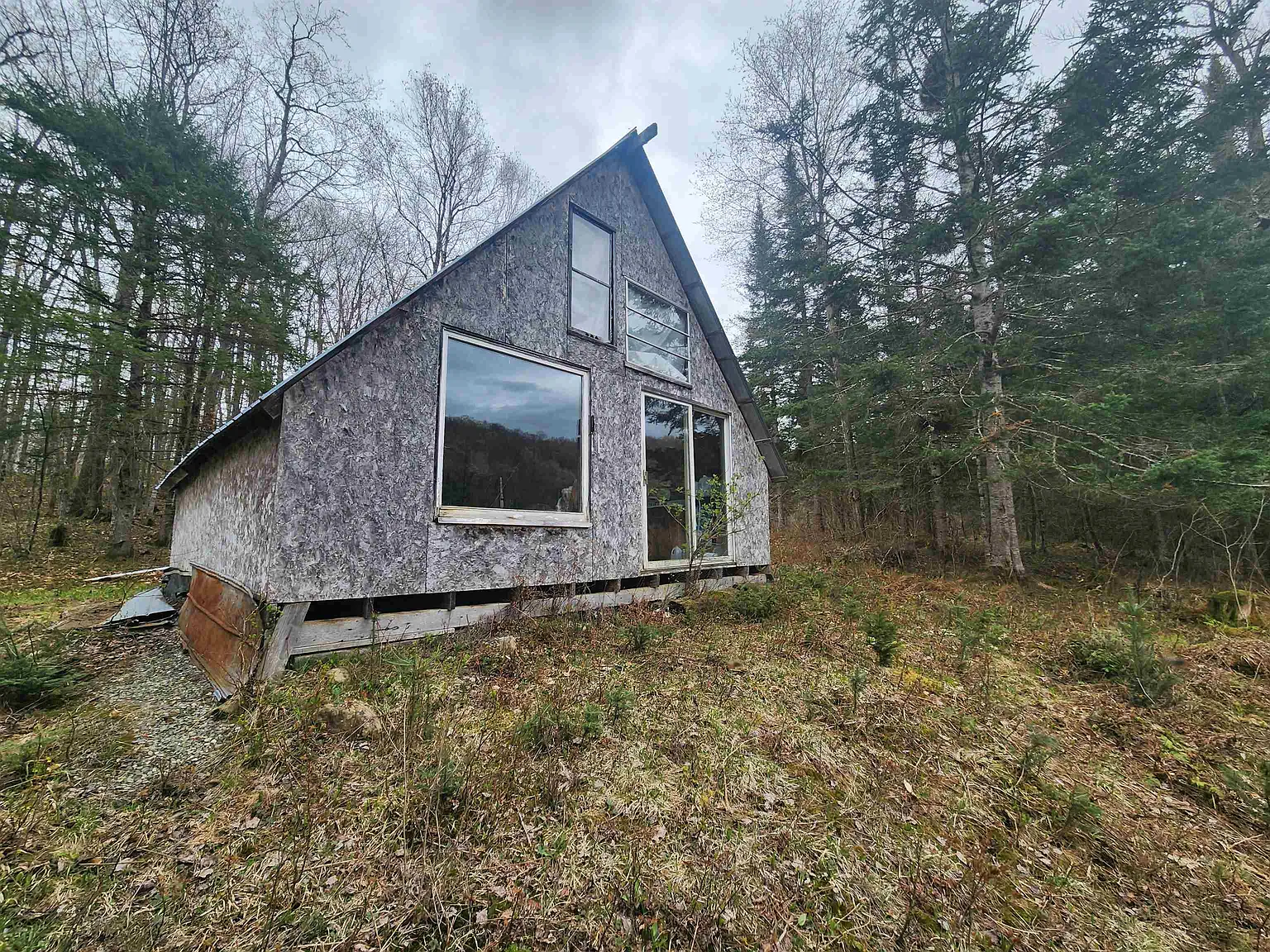
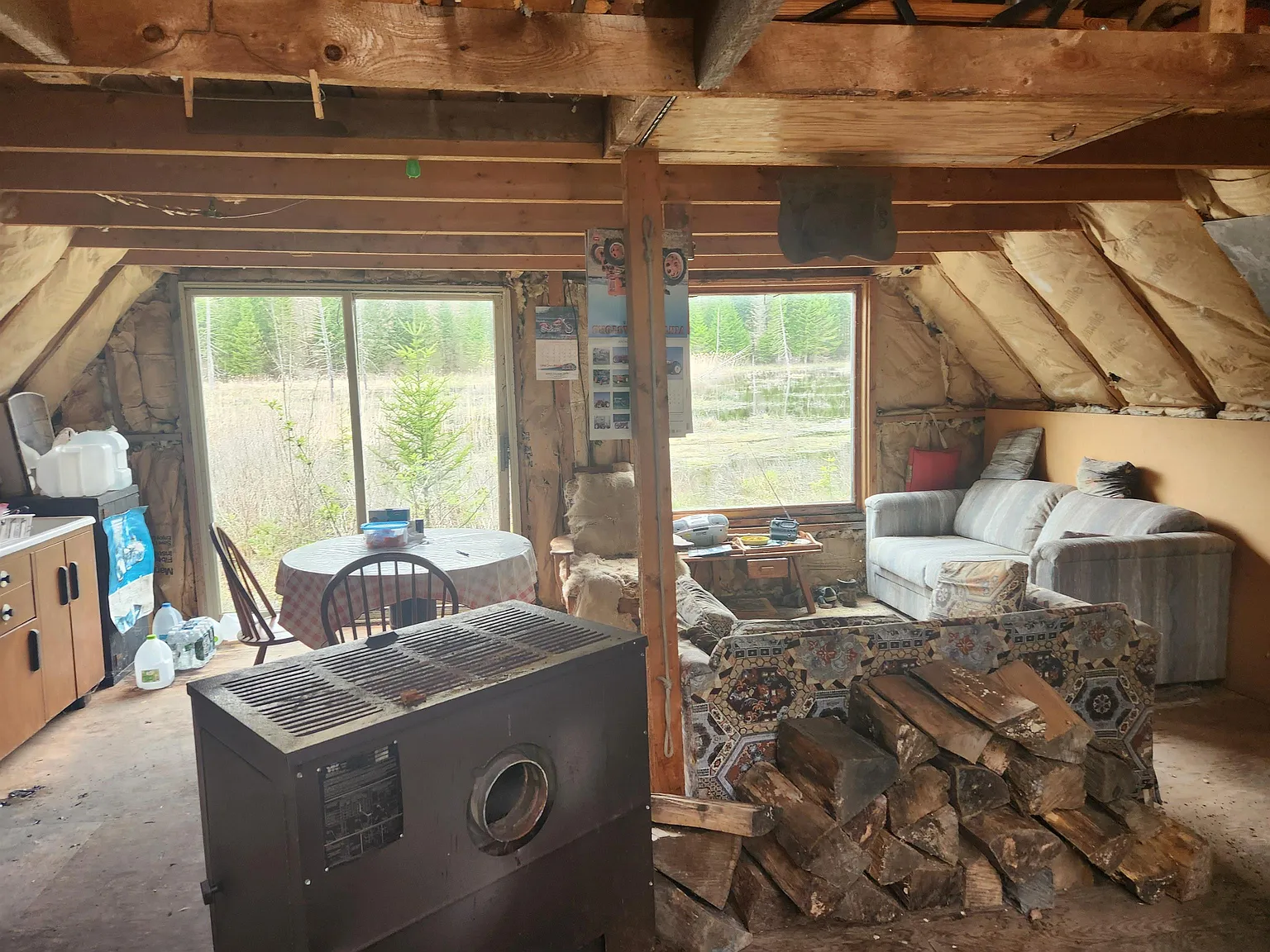
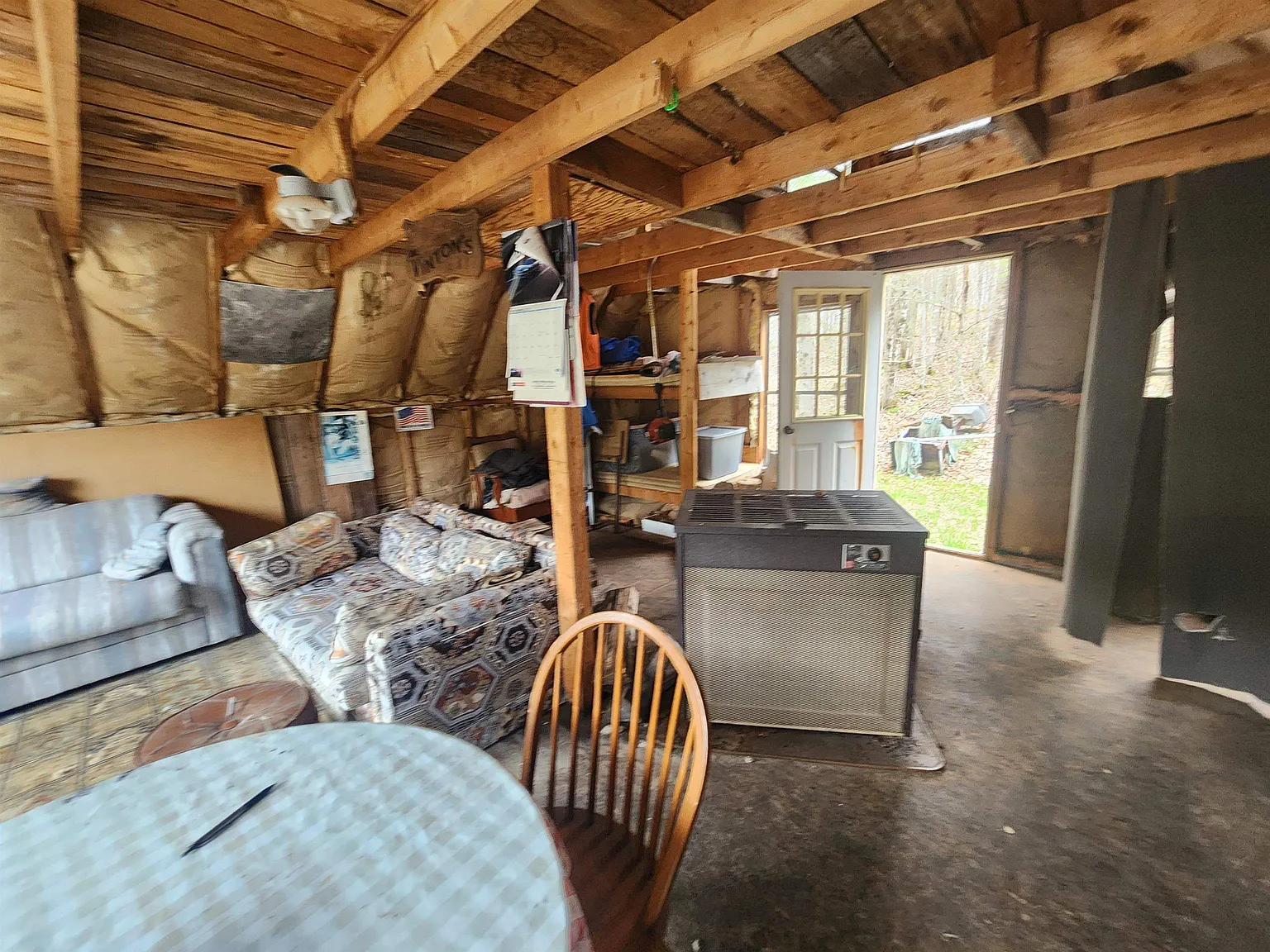
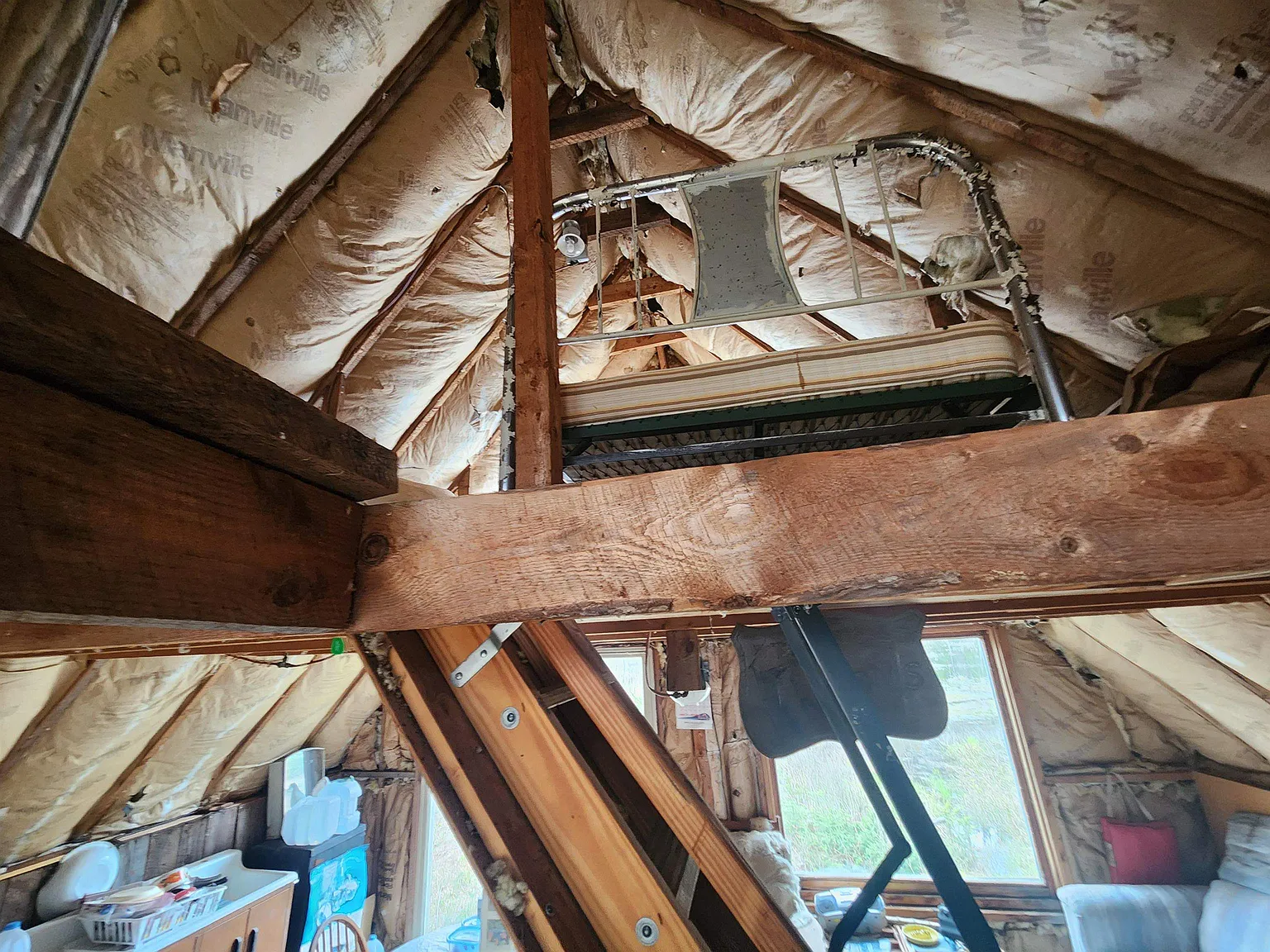
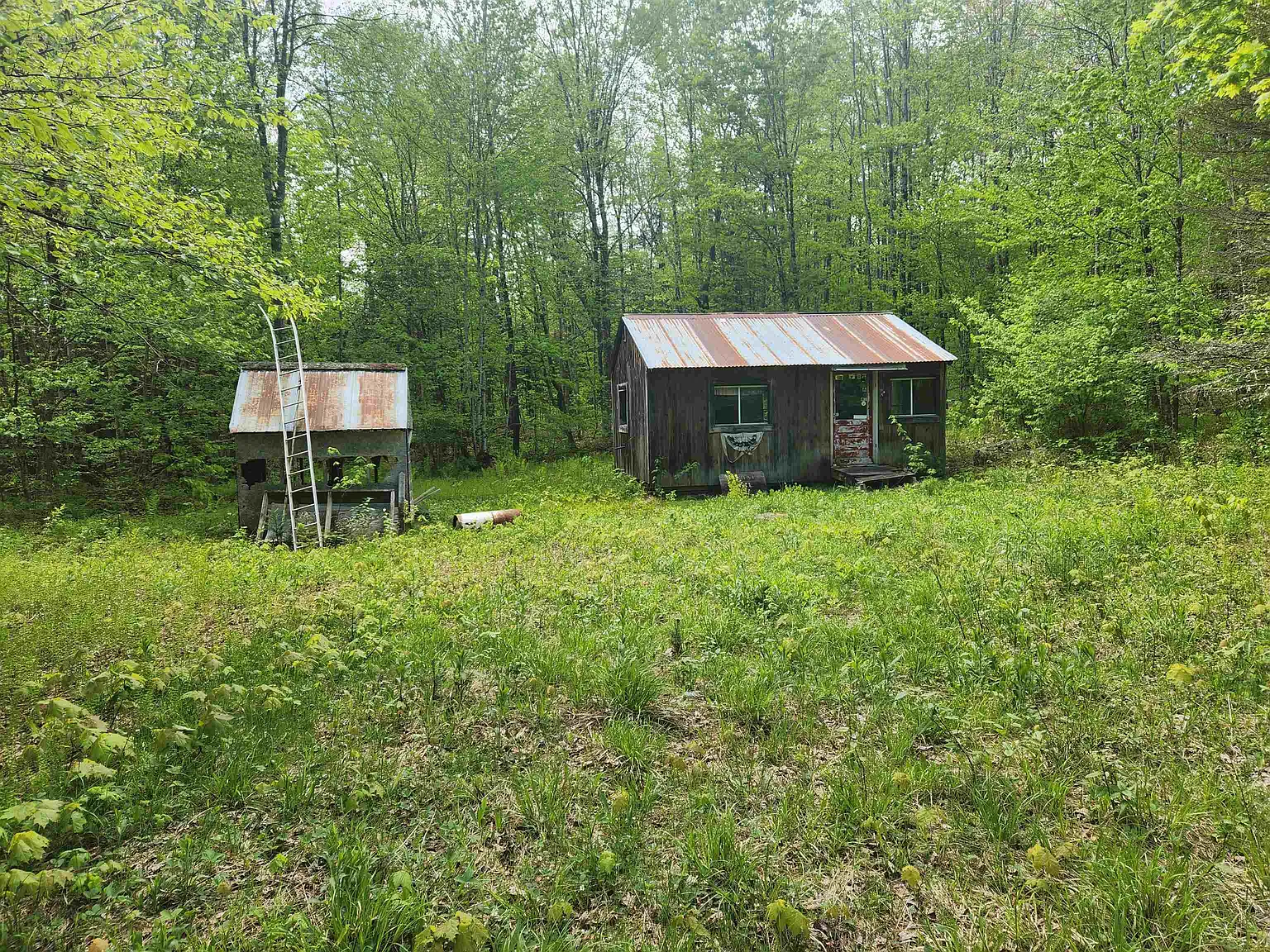
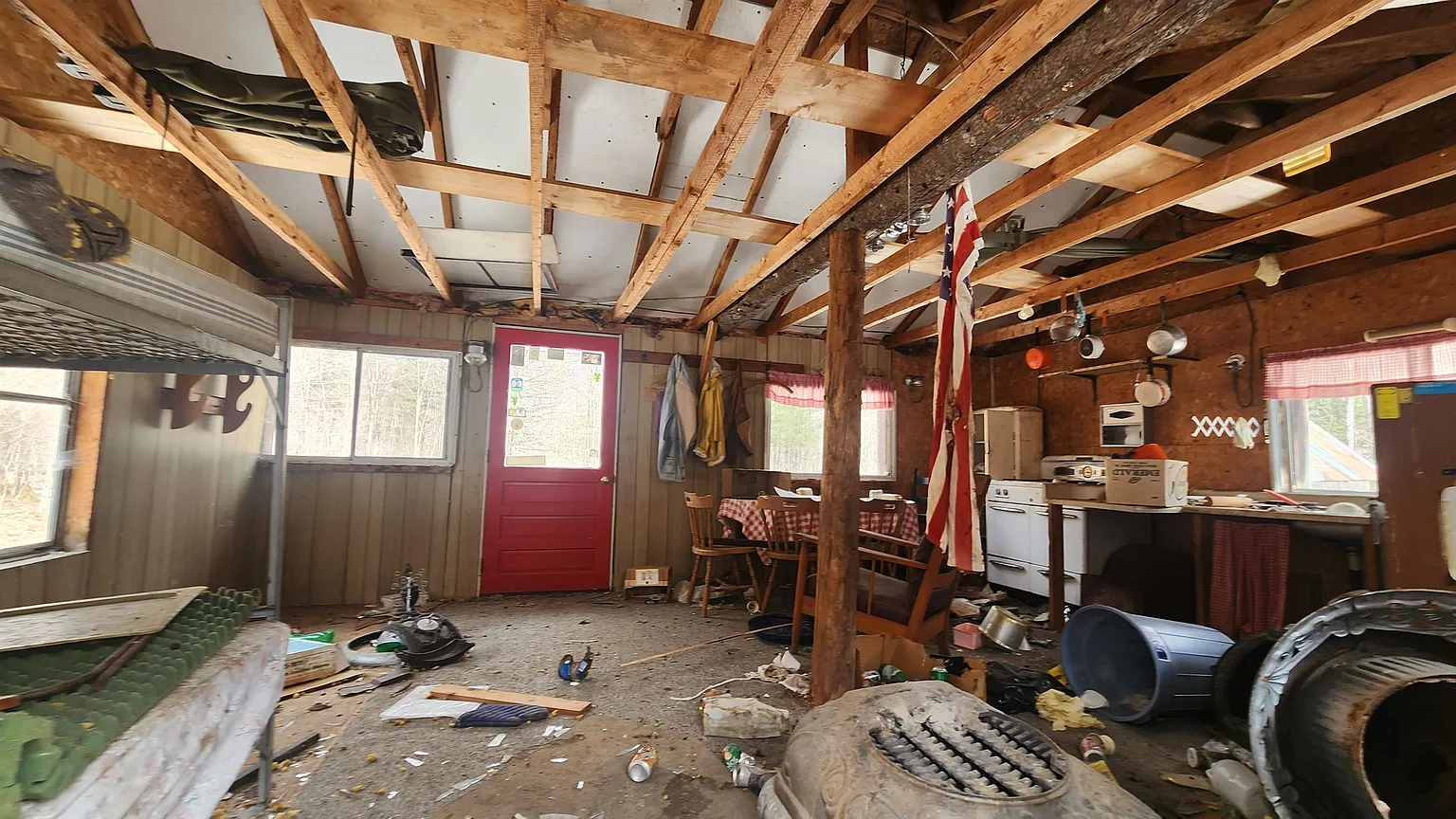
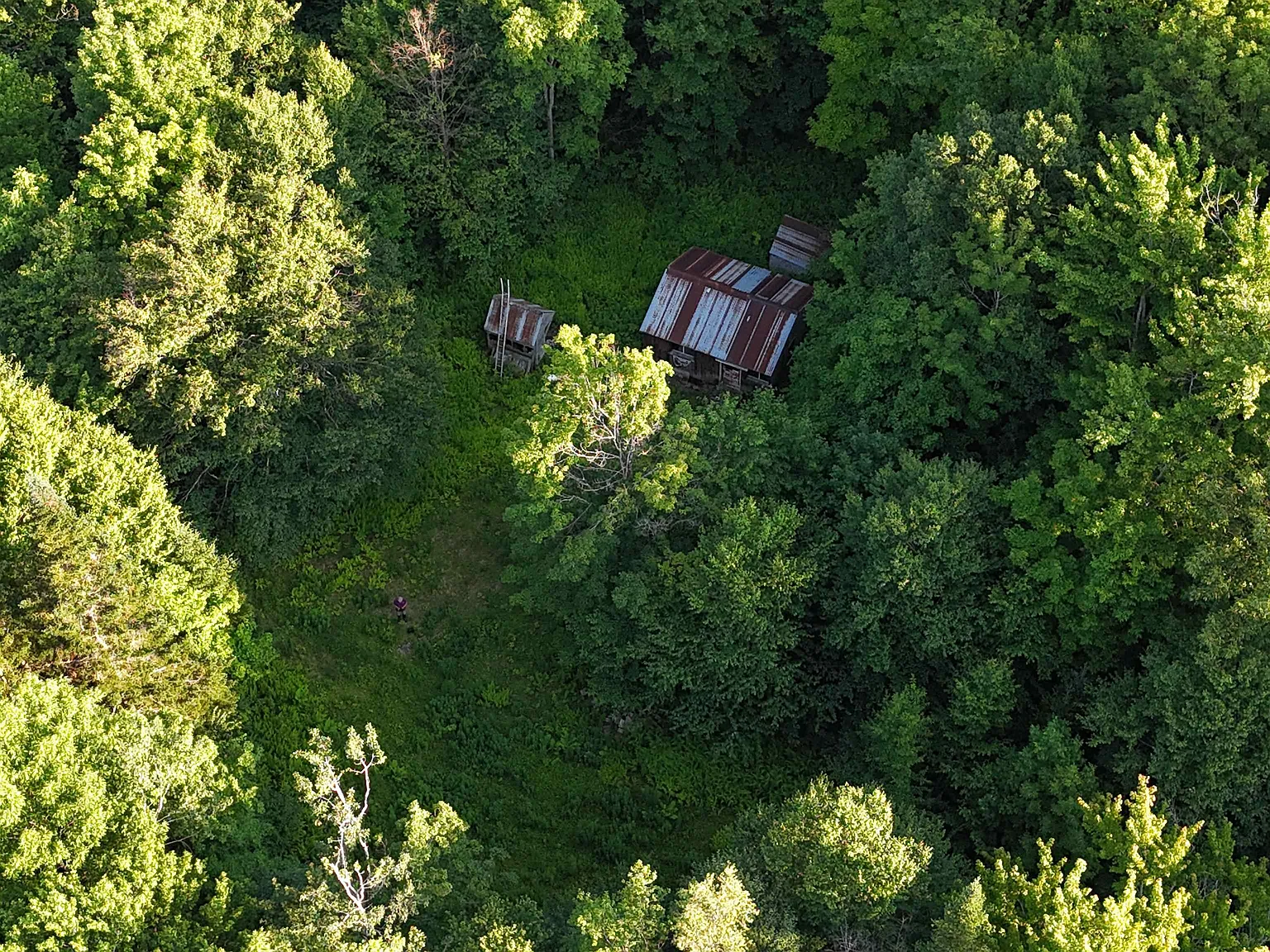
The property includes two existing camps, including an A-frame at 949 Cobblestone Trail. Both structures require major renovation, and this should be considered a rustic recreational property rather than a move-in-ready residential home.
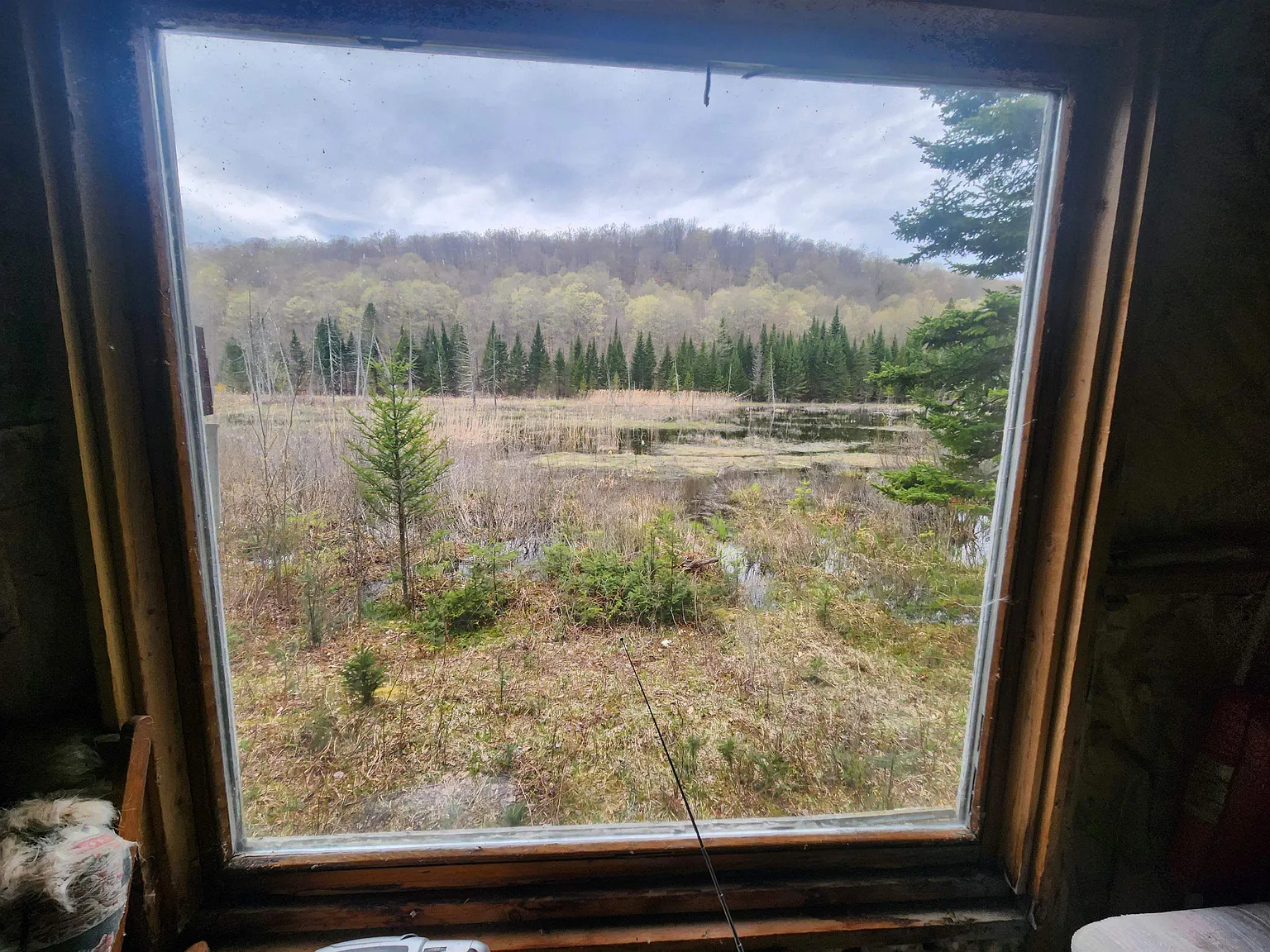
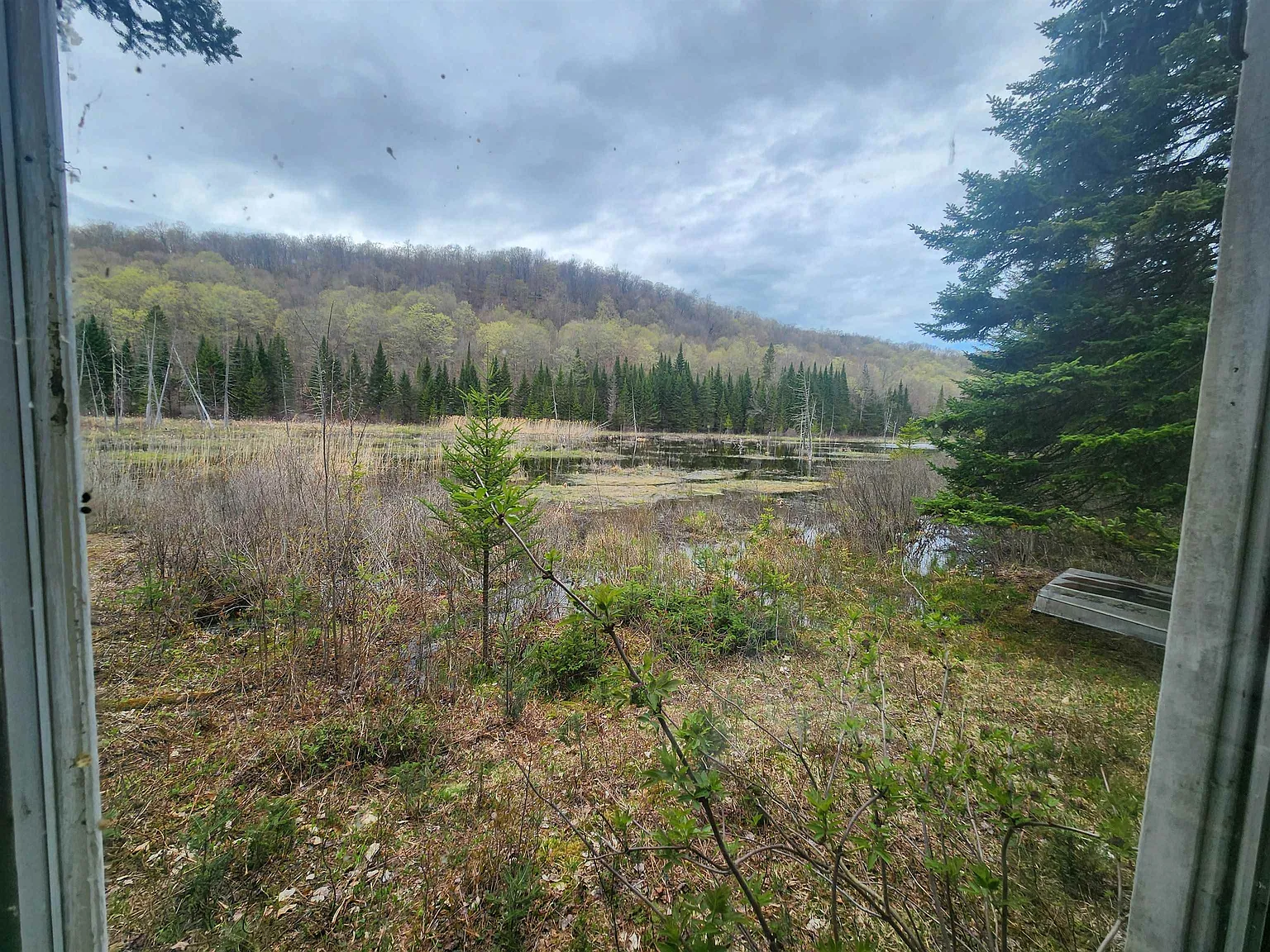
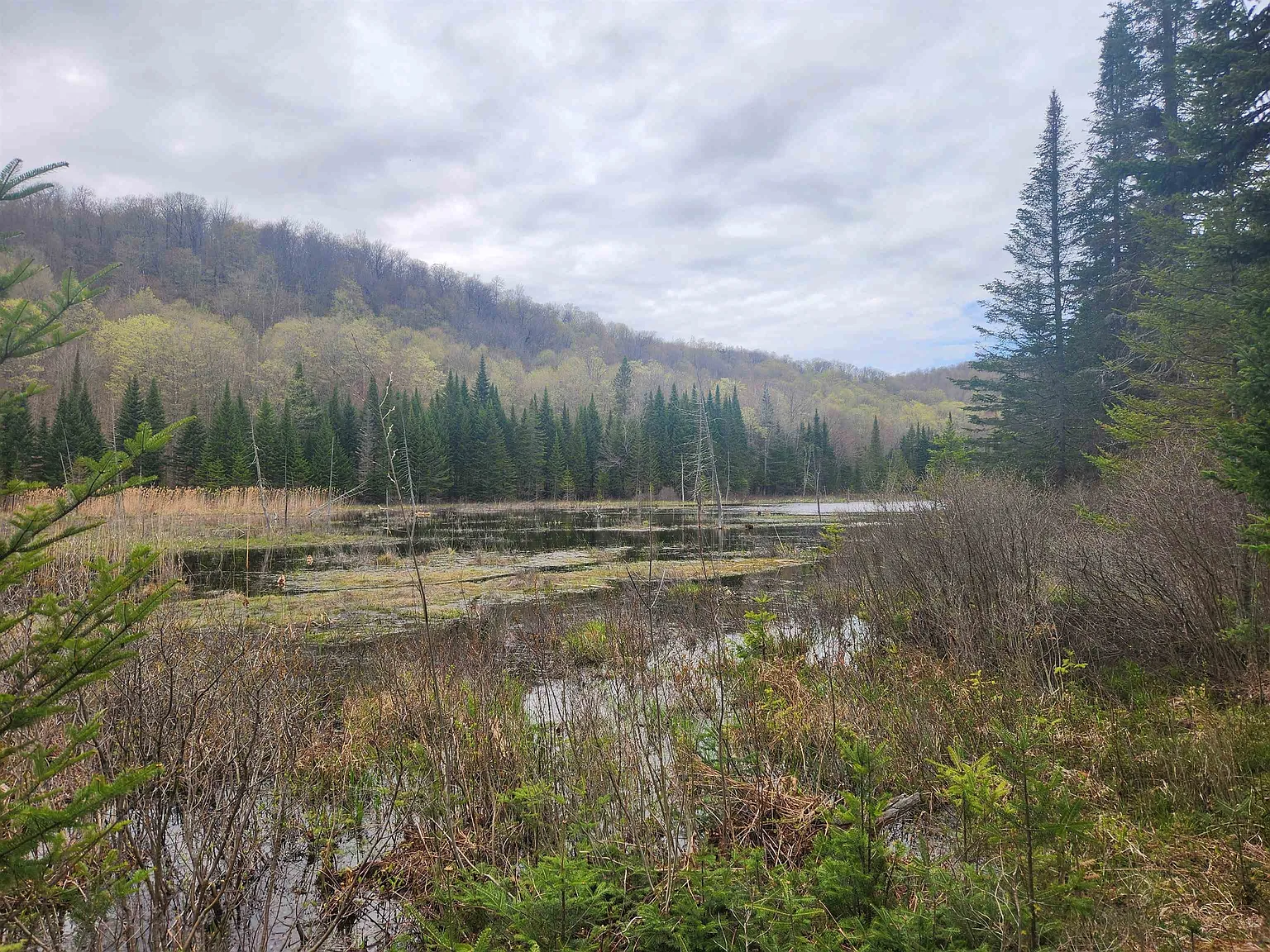
The landscape includes a large beaver pond, wetlands, woodlands, and a 10+ acre hill covered with hardwoods. The listing emphasizes hunting, snowmobiling, and wilderness recreation, while access becomes significantly more difficult during winter.
The listing information provided does not include an asking price, so no price has been added or estimated. This property may appeal to experienced recreational land buyers, hunters, off-grid enthusiasts, or someone looking for a highly secluded Vermont wilderness retreat and willing to accept challenging access and limited infrastructure.
| Property Details | Information |
|---|---|
| Address | 805 & 949 Cobblestone Trail, Coventry, VT 05825 |
| Lot Size | 47.4 acres |
| Property Type | Recreational / Wilderness Property |
| Structures | 2 camps, including an A-frame |
| Water | No supplied water; water must be hauled in |
| Sewer | No septic |
| Land Features | Wetlands, woodlands, 10+ acre hardwood hill |
| Water Features | Large beaver pond |
| Access | Seasonal private road; AWD/4WD high-clearance vehicle recommended before snow |
| Winter Access | Snowmobile, snowshoes, or tracked ATV |
| Current Use Program | Not enrolled |
47.4 Acres of Remote Vermont Wilderness
The property encompasses approximately 47.4 acres, offering significantly more land than a typical rural residence. Its character is primarily natural and undeveloped rather than agricultural or residential.
The landscape changes considerably across the property, with wetlands, wooded sections, a large beaver pond, and elevated hardwood acreage all mentioned in the listing.
A particularly interesting feature is the 10+ acre hill of hardwoods. Buyers interested in the timber should have a qualified forester evaluate species, maturity, accessibility, and potential value rather than assuming commercial timber value from the listing description alone.
Because this is heavily natural land, buyers should verify boundaries, topography, wetlands, drainage, easements, and any restrictions affecting future development. Mapping applications can assist with orientation, but a professional survey should be relied upon for legal boundaries.
Large Beaver Pond, Wetlands and Woodlands
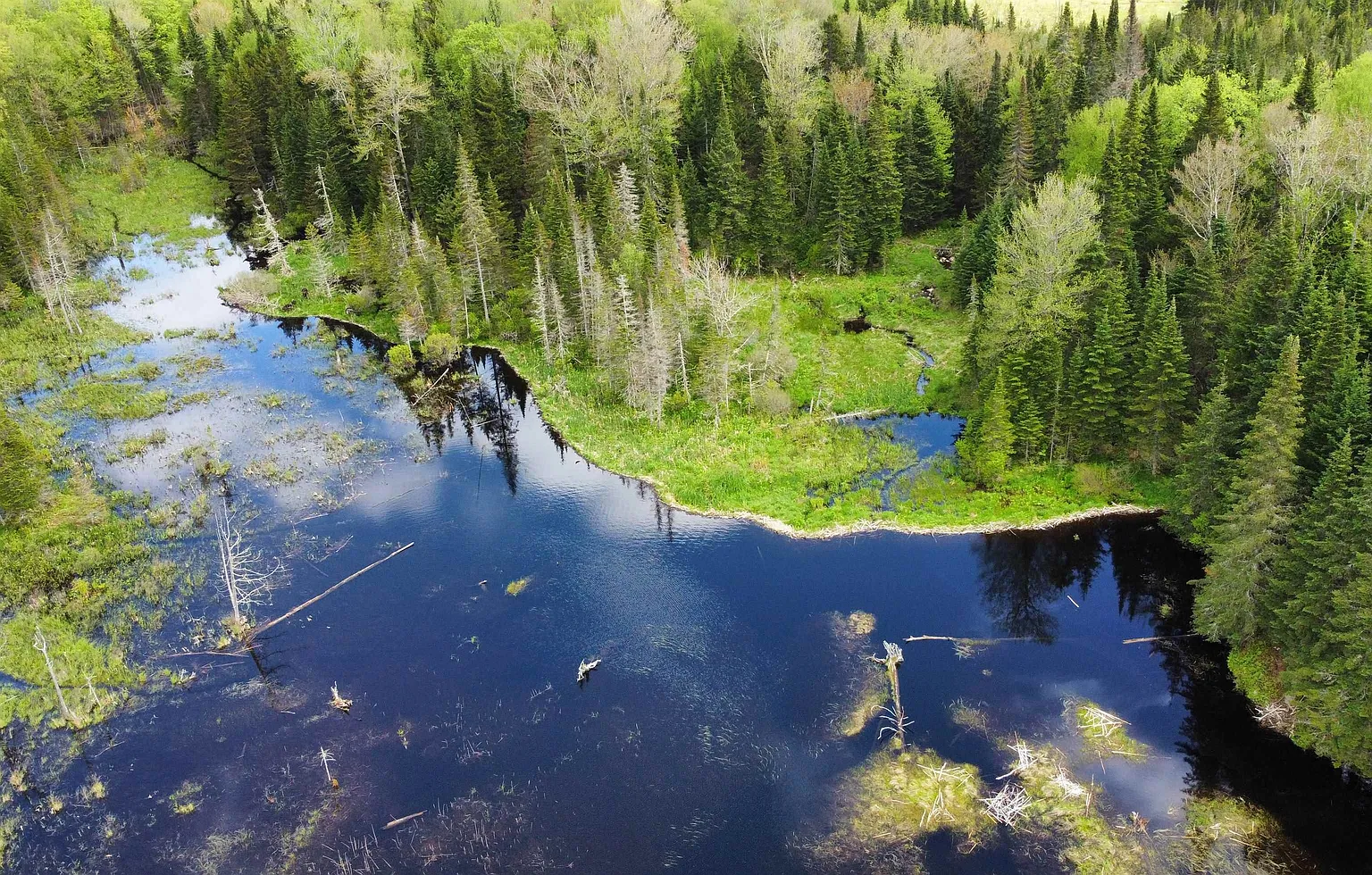
A large beaver pond forms one of the central natural features of the property and contributes significantly to its wilderness character.
The surrounding wetlands may create valuable wildlife habitat and scenic surroundings, but they can also restrict where roads, septic systems, camps, or other improvements can legally and practically be constructed.
Buyers should not assume that land appearing open or accessible can automatically be developed. Wetland delineation and applicable state or local regulations should be investigated before planning improvements.
Beaver activity can also change drainage patterns and water levels over time. Anyone purchasing the property should understand how the pond, wetlands, streams or drainage areas interact with the existing camps and access routes.
Two Camps Including an A-Frame
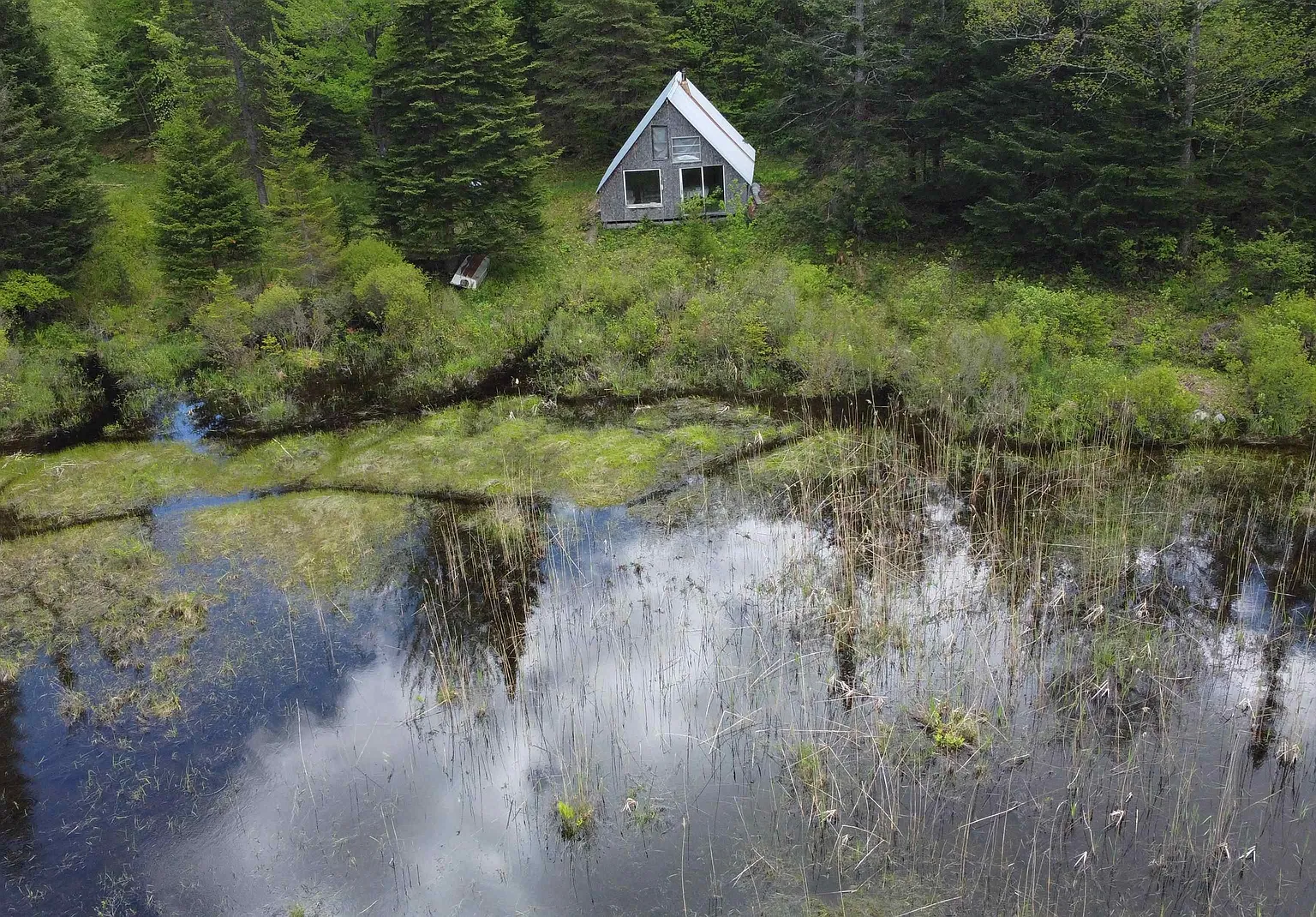
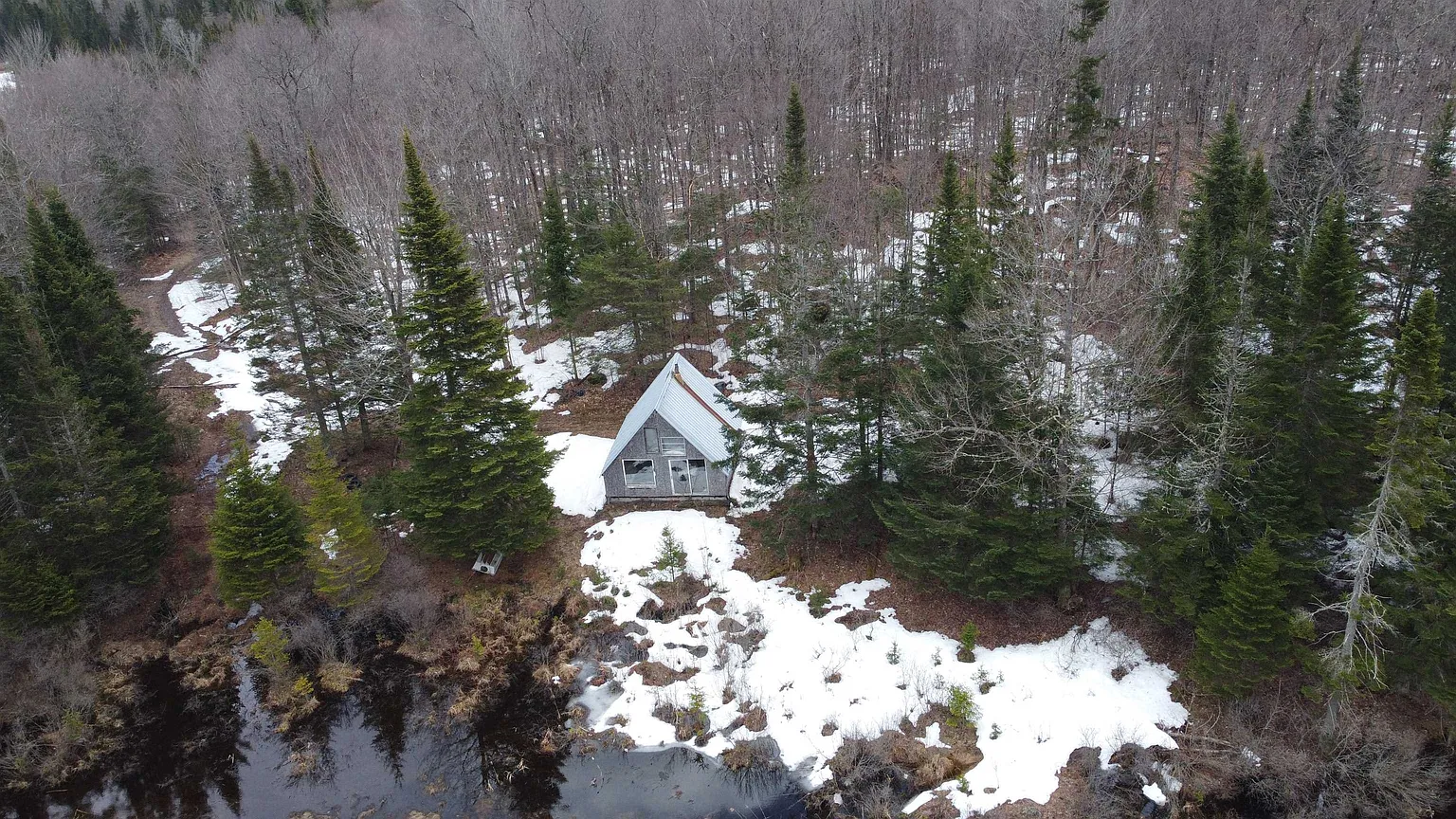
The sale includes two camps, with the structure at 949 Cobblestone Trail identified as an A-frame. Existing structures can provide a starting point for creating a hunting or recreational base.
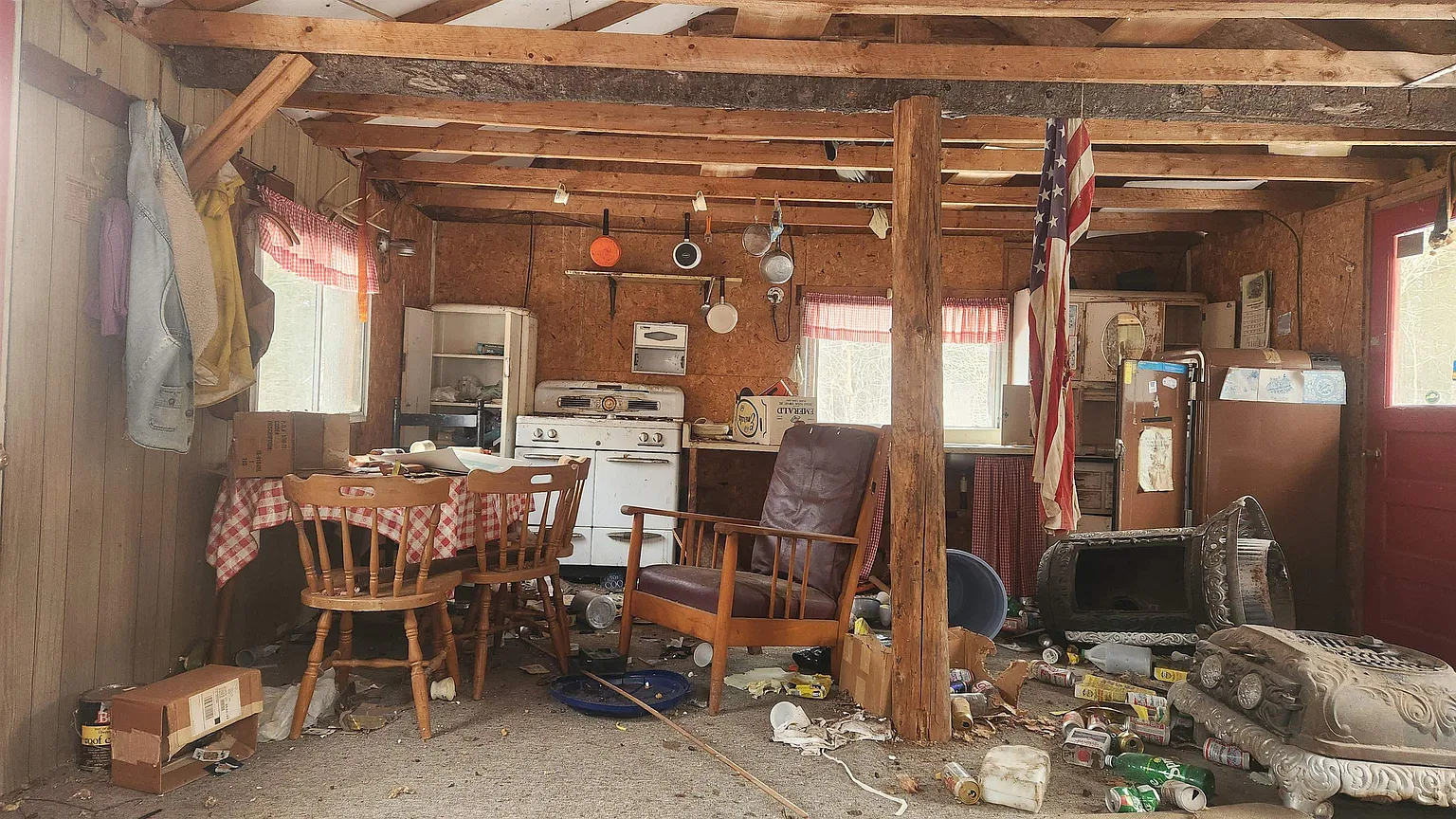
However, the listing clearly states that both camps need major renovation. Buyers should therefore approach them as project structures rather than finished accommodations.
Before investing in renovation, a qualified inspector or contractor should evaluate foundations, framing, roofs, floors, windows, moisture damage, rot, pests, and overall structural stability.
Buyers should also determine whether the existing camps are legally established structures and whether permits would allow renovation, expansion, rebuilding, or replacement. On remote land with wetlands, the difference between repairing an existing structure and constructing a new one can be important.
No Water and No Septic System
This property offers a genuinely rustic setup. According to the listing, owners currently need to haul in their water, and there is no septic system.
That makes the property considerably different from a conventional cabin with established utilities. Anyone planning extended stays should determine how water storage, sanitation, power, heating, and waste disposal would be handled.
Buyers hoping to install a well should investigate drilling feasibility, depth, equipment access, cost, and applicable permits. A reliable water source should not be assumed simply because surrounding land contains wetlands and a pond.
Likewise, installing septic would require investigation of soil conditions, permitting, setbacks, wetlands, and suitable locations. The cost of bringing equipment into such a remote property could also be considerably higher than at a road-accessible homesite.
Challenging Seasonal Access
Access is one of the most important considerations. Cobblestone Trail is described as a seasonal private road, and the property is located near its end.
Before snow arrives, the listing recommends an AWD or 4WD high-clearance vehicle. It also specifically warns that the roadway located on the parcel is very soft.
Once winter conditions arrive, access changes substantially. The listing indicates that a snowmobile, snowshoes, or tracked ATV may be required once snow accumulates.
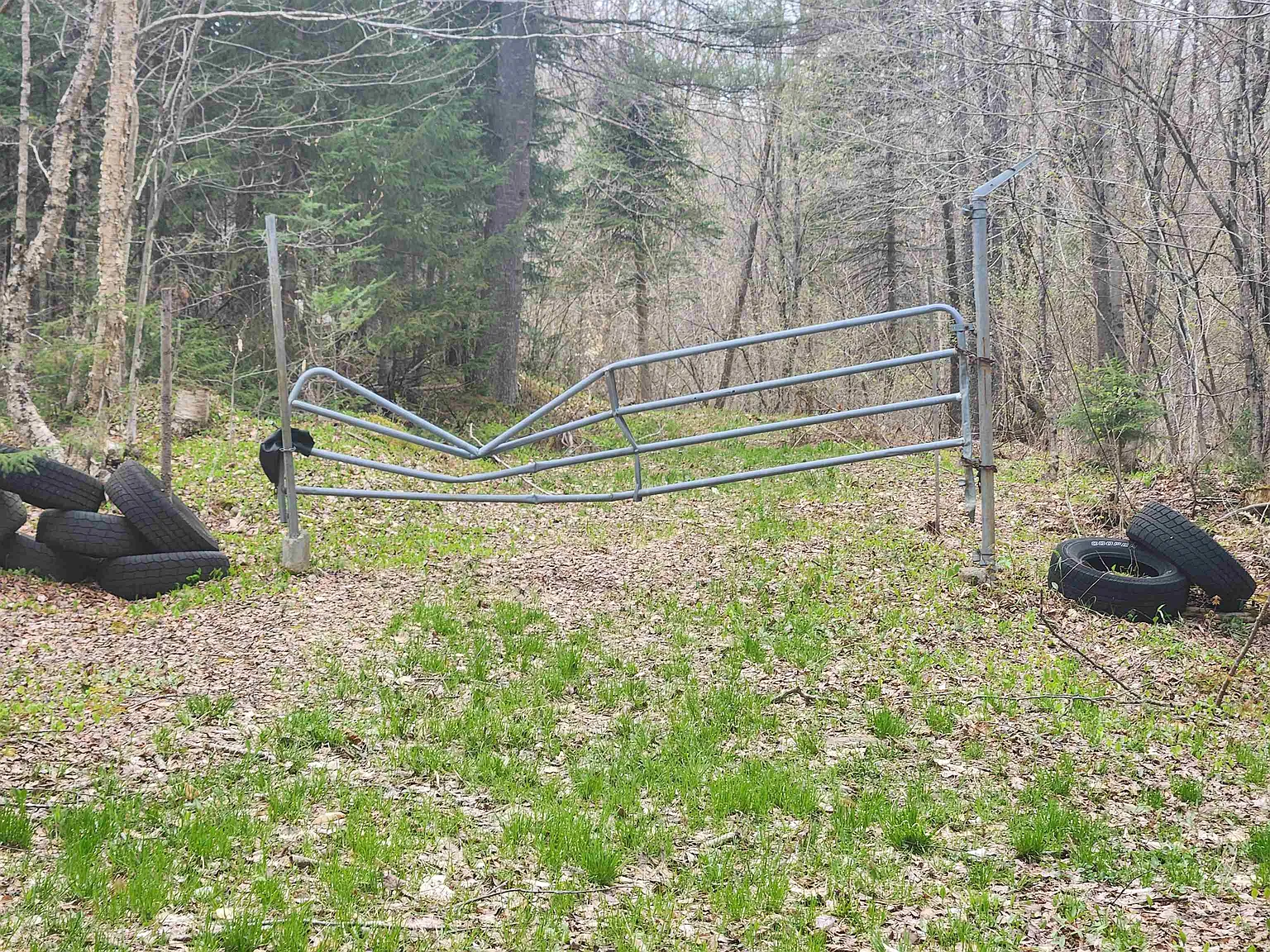
This is also explicitly described as not a drive-by property. Gates are locked and reaching the property involves hiking, so buyers should arrange proper access rather than attempting to visit independently.
Hunting, Snowmobiling and Outdoor Recreation
The property’s remote setting and large wooded acreage make hunting one of its primary potential recreational uses.
Snowmobiling is another activity specifically identified in the listing. Combined with the difficult winter access, this reinforces the property’s character as a wilderness camp rather than a conventional year-round residence.
The wetlands, beaver pond, hardwood hill, and woods may also appeal to buyers interested in hiking, wildlife observation, photography, snowshoeing, or simply maintaining a secluded piece of Vermont land.
Buyers should independently confirm hunting regulations, snowmobile access rights, ATV regulations, neighboring land ownership, trail connections, and any limitations affecting recreational activities.
Off-Grid Retreat and Renovation Potential
For the right buyer, the two camps could provide a foundation for developing a private off-grid retreat. The A-frame in particular gives the property an existing structure with distinctive recreational-cabin character.
However, major renovation combined with difficult road access could make construction more complicated and expensive. Transporting lumber, roofing, tools, equipment, and contractors to the site should be considered when estimating a renovation budget.
The absence of water and septic means that restoring the buildings alone would not necessarily create a conventional year-round residence. Infrastructure improvements would need to be evaluated separately.
The property may therefore make the most sense for someone comfortable with rustic conditions and remote-land ownership rather than a buyer expecting an inexpensive path to a fully serviced home.
Due Diligence Before Buying This Property
A professional evaluation of both camps should cover the foundations, structural framing, roofs, floors, moisture intrusion, drainage, rot, pests, electrical components if present, and hidden repairs. Buyers should determine whether renovation is financially reasonable before assigning significant value to the structures.
The lack of septic and supplied water deserves additional investigation. Soil testing, septic feasibility, well feasibility, wetland setbacks, permits, and equipment access should all be understood before planning a major renovation or year-round conversion.
Legal access is equally important. Buyers should review the deed, private-road rights, maintenance responsibilities, gates, easements, winter access, and whether there are any limitations on improving Cobblestone Trail or the softer roadway located within the parcel.
A survey and title review should confirm the 47.4 acres, boundaries, timber rights, wetlands, existing structures, and any encumbrances. The listing also states that the property is not in Vermont’s Current Use program, which buyers should consider when researching future property taxes and land-management options.
Final Thoughts
This Coventry property offers 47.4 remote acres, two renovation-project camps, a large beaver pond, extensive wetlands and woodlands, and more than 10 acres of hardwood-covered hillside.
Its biggest attraction is also its biggest limitation: isolation. Challenging seasonal access, locked gates, soft roadway conditions, no septic, and the need to haul water make this a substantially more demanding property than a typical Vermont cabin.
For buyers comfortable with those conditions, the property provides an opportunity to create a secluded base for hunting, snowmobiling, hiking, and other wilderness activities while retaining nearly 50 acres of private land.
For someone searching for Vermont hunting land, an off-grid retreat, A-frame renovation project, recreational acreage, or a remote wilderness camp, this property offers an unusual combination of existing structures, water features, hardwoods, and privacy.
If you need more info, contact the listing agent from the Zillow link below the photos.
Listed on Zillow